Homemade High-Protein Paneer Recipe
Fusion cuisine · 100 calories
About this recipe
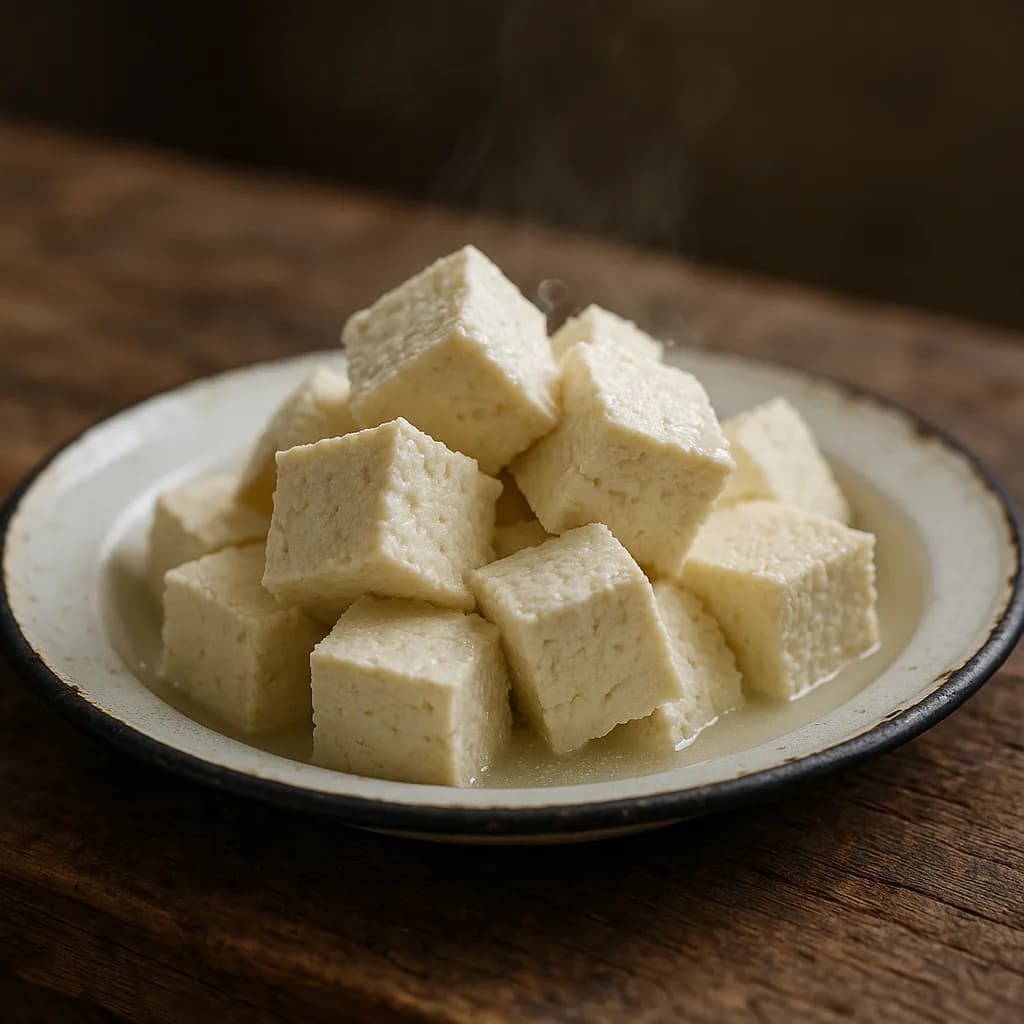
This vegetarian dish is perfect for dinner and provides a high-protein option for solution seekers. Made with fresh milk and vinegar, it yields soft and creamy paneer.
Ingredients
- 2.27L / 4 Pints British Whole Milk 2.27L / 4 Pints
- - Golden Swan White Vinegar
Instructions
- 1. Pour 1 liter of whole milk into a heavy-bottomed pot and heat over medium-high heat until it begins to boil, stirring occasionally to prevent scorching.
- 2. Remove the pot from heat and slowly add 4 tablespoons of white vinegar while stirring gently. Continue stirring until the milk curdles and the curds separate from the clear whey, about 2-5 minutes (add 1 more tablespoon of vinegar if the whey is still milky).
- 3. Line a colander with a large piece of cheesecloth and place it over a bowl to catch the whey. Carefully pour the curds and whey into the colander.
- 4. Gather the edges of the cheesecloth and twist to form a bundle, squeezing gently to remove excess whey. Place the bundle on a flat surface and press it with a heavy pot filled with water for about 2 hours to form a firm paneer disk.
- 5. Once pressed, unwrap the paneer from the cheesecloth and cut it into cubes or slices as desired. Serve fresh or use in your favorite recipes. Makes about 200 g of paneer, enough for 4 servings.
How to make Homemade High-Protein Paneer
- Curdle the milk. Heat 1 litre of milk in a heavy-bottomed pot over medium-high heat until it boils, stirring occasionally. Remove from the heat and slowly stir in 1 cup of white vinegar for about 5 minutes until the curds separate from the whey.
- Drain and press. Pour the curds and whey into a colander lined with cheesecloth set over a bowl. Twist the cloth into a bundle, squeeze out excess whey and press under a heavy pot filled with water for about 2 hours.
- Cut and serve. Once pressed and firm, unwrap the paneer from the cheesecloth and cut it into cubes or slices as desired. Serve fresh or use it in your favourite recipes.
Frequently asked questions
- Why does this recipe use white vinegar instead of lemon juice to curdle the milk?
- White vinegar provides a consistent acidity level, ensuring the milk curdles effectively and cleanly. Lemon juice can vary in acidity depending on the fruit, which might lead to inconsistent results. Additionally, white vinegar has a neutral flavor, so it won't affect the taste of the paneer.
- How can I tell if the milk has curdled properly?
- You'll know the milk has curdled properly when you see clear separation of solid white curds from a translucent, yellowish liquid (whey). If the whey still looks milky, add a little more vinegar and stir gently until the separation is complete.
- What should I do with the leftover whey after making paneer?
- The leftover whey is rich in protein and nutrients, making it perfect for use in soups, smoothies, or bread dough. You can also use it to cook rice or pasta for added flavor. If you don’t plan to use it immediately, store it in the fridge for up to 3 days.
- Can I scale this recipe up or down to make more or less paneer?
- Yes, you can easily scale the recipe by maintaining the ratio of 1 liter of milk to 1 cup of vinegar. Just ensure you use a pot large enough to hold the milk if scaling up and adjust pressing weights accordingly for larger batches.
- How can I ensure my paneer is firm enough for cooking in other dishes?
- Pressing the paneer for at least 2 hours with a heavy pot is crucial for achieving a firm texture. For extra firmness, you can increase the pressing time to 3-4 hours or refrigerate the pressed paneer overnight before slicing it.