PCOS-Friendly Indian Breakfast Ideas: 20 Easy Meals + 7-Day Plan
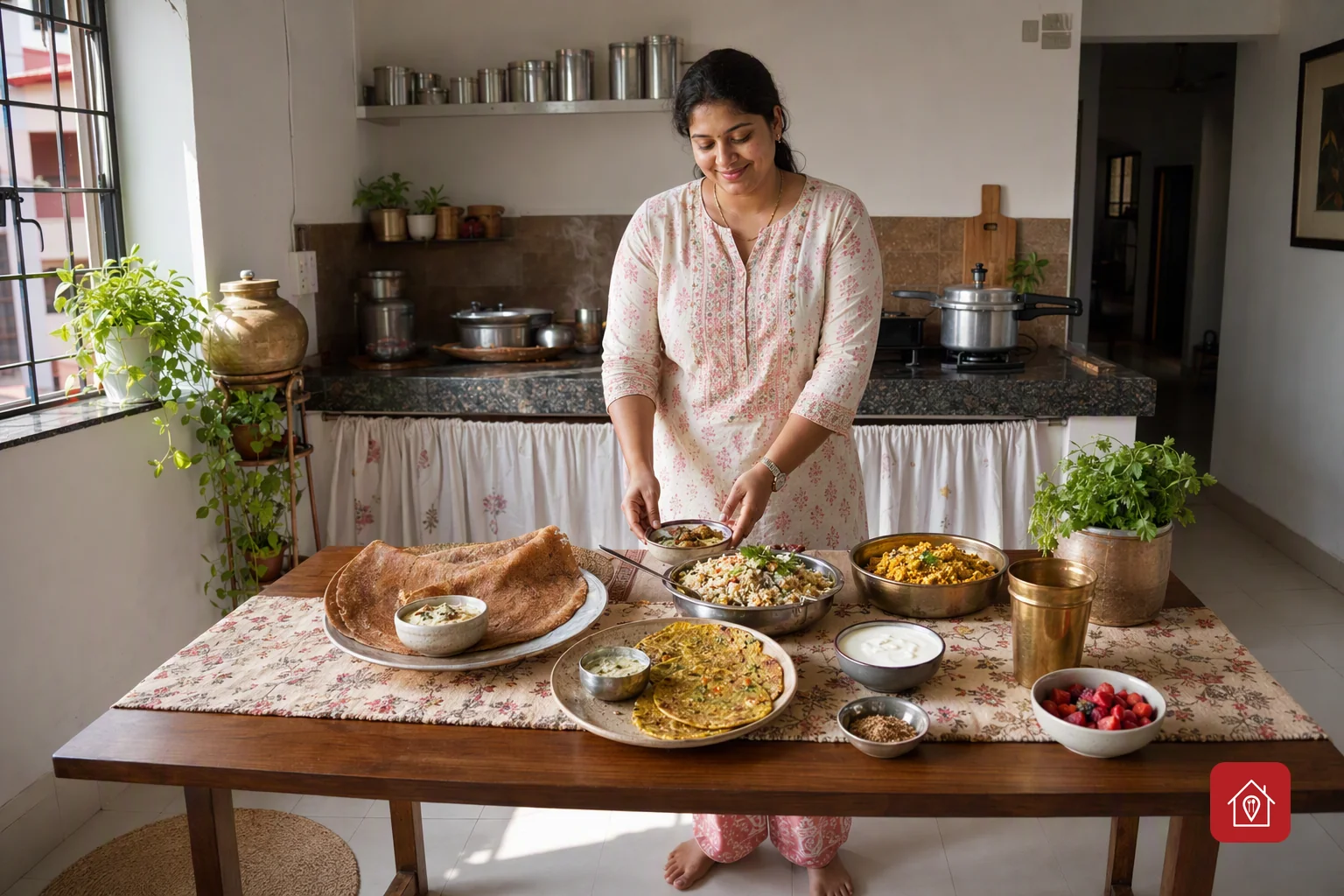
Breakfast can feel like the hardest meal of the day when you are managing PCOS—but it does not have to mean giving up comforting Indian favourites. The right PCOS-friendly Indian breakfast ideas can be simple, satisfying and full of familiar ingredients, from moong dal and paneer to ragi, methi and warming masalas.
A thoughtful morning meal is a useful place to begin building a balanced routine. Choosing foods with fibre-rich carbohydrates, protein and nourishing fats can help you create a steadier, more filling plate than a breakfast centred only on refined flour or sugar. Think crisp moong dal chillas with a paneer filling, vegetable-packed oats upma, ragi dosa with coconut chutney, or a wholesome jowar roti paired with methi sabzi and curd. These are everyday dishes with ingredients that are easy to find in an Indian kitchen.
This guide brings together 20 easy breakfast options designed to make mornings less confusing and much more delicious. You will find quick recipes for rushed weekdays, comforting savoury meals for slower mornings, and flexible ideas that work whether you prefer vegetarian dishes, eggs or a mix of both. There are also practical ways to use ingredients often included in PCOS-conscious cooking, such as flaxseeds, cinnamon, fenugreek, turmeric, millets and legumes.
Most importantly, you do not need to decide what to cook from scratch every morning. The included 7-day plan gives you a clear starting point, while still leaving room to swap meals according to your appetite, schedule and what is already in your kitchen. If you are unsure how to turn these ideas into a realistic grocery list, AnyFeast makes planning wonderfully easy. Its AI recipe suggestions can inspire meals around your preferences, while Smart Shopping helps organise the ingredients you need. Even better, Leftover Magic can turn extra cooked dal, vegetables or rotis into a fresh breakfast idea instead of letting them sit forgotten in the fridge.
With AnyFeast’s convenient doorstep ingredient delivery, a nourishing breakfast can feel far more achievable on busy days. Let’s make your mornings flavourful, balanced and truly enjoyable—one comforting Indian plate at a time.
What are the best PCOS-friendly Indian breakfast ideas?
The best PCOS-friendly Indian breakfast ideas are built around a satisfying combination of fibre-rich carbohydrates, protein, vegetables and nourishing fats. Instead of relying on a single “perfect” dish, aim for familiar breakfasts that keep your plate colourful, flavourful and substantial—whether that means a millet dosa, a lentil chilla or leftover dal transformed into something new.
Prioritise protein-rich, fibre-forward favourites
Legumes, millets, vegetables, curd, paneer and eggs can all make breakfast feel more complete. These ingredients work especially well in Indian cooking because they bring texture and flavour without requiring complicated recipes.
Some of the most useful options include:
- Moong dal chilla with paneer and coriander: Soak and blend moong dal with ginger, jeera and green chilli, then fill the chillas with crumbled paneer, onion and coriander.
- Ragi dosa with sambar: Ragi adds a pleasantly earthy note, while vegetable sambar brings lentils and more fibre to the meal.
- Vegetable oats upma with roasted peanuts: Use oats with mustard seeds, curry leaves, carrots, beans, peas and lemon. A handful of peanuts adds crunch and staying power.
- Besan cheela with spinach: Besan, palak, tomato, onion and ajwain make a quick batter for a savoury, filling breakfast.
- Jowar roti with methi sabzi and curd: This comforting combination is ideal when you prefer a proper sit-down meal in the morning.
- Paneer bhurji with a small whole-wheat atta roti: Add capsicum, tomato, turmeric and kasuri methi for a quick, protein-led option.
- Egg bhurji with vegetable poha: Pairing eggs with poha and plenty of peas, carrots and peanuts gives a familiar breakfast a more balanced feel.
Make everyday dishes more PCOS-conscious
You do not need to abandon idli, poha or parathas. Small additions can make a big difference to how satisfying they feel. Add vegetables generously, include a protein side, and choose accompaniments that bring texture and flavour rather than extra sweetness.
Try these easy upgrades:
- Serve vegetable idlis with a bowl of sambar rather than relying only on chutney.
- Make poha with peas, peanuts, grated carrot and a side of plain curd.
- Fill a methi paratha with paneer, or enjoy it with curd and a vegetable sabzi.
- Turn leftover dal into dal cheela by blending it with atta, onion, coriander and spices.
- Stir ground flaxseeds into cheela batter, oats upma or curd for a nutty finish.
- Use warming spices such as cinnamon, turmeric, jeera and fenugreek (methi) in ways that suit the dish, from masala oats to methi thepla.
Keep convenience on the menu
The “best” breakfast is also one you can realistically make on a busy Tuesday. Keep soaked moong dal, chopped vegetables, curd, paneer, eggs and cooked millet batter ready for quick assembly. A batch of sambar or methi sabzi can also stretch across more than one morning.
For fresh inspiration without the daily decision fatigue, AnyFeast’s AI recipe suggestions can tailor breakfast ideas around ingredients you enjoy, while Smart Shopping helps organise your list for the week. If last night’s dal, roti or sabzi is waiting in the fridge, Leftover Magic can turn it into a delicious new breakfast rather than a forgotten container.
How should you build a breakfast that supports PCOS management?
A PCOS-supportive breakfast does not need special powders or unfamiliar foods. The most useful approach is to build a satisfying plate around fibre-rich carbohydrates, protein, vegetables and a little nourishing fat . This combination can make breakfast feel more substantial and helps move the focus away from meals based largely on refined flour, added sugar or a single carbohydrate.
Start with a high-fibre carbohydrate
Choose familiar Indian staples that bring more fibre and variety to the plate. Millets, legumes, vegetables and whole grains are particularly practical choices for everyday cooking.
Good breakfast foundations include:
- Ragi for dosa, idli, porridge or uttapam
- Jowar or bajra atta for rotis and thalipeeth
- Moong dal , besan or mixed dals for chilla and pesarattu
- Oats for a savoury upma, cheela or vegetable porridge
- Broken wheat (dalia) with vegetables and dal
- Brown rice or red rice idli batter when you enjoy South Indian breakfasts
Rather than treating carbohydrates as something to avoid, pair them thoughtfully. A ragi dosa becomes a more complete meal with sambar and paneer bhurji; oats upma feels far more filling with peas, carrots, peanuts and a bowl of curd.
Add a clear protein source
Protein is the anchor that turns a light breakfast into one that can carry you through a busy morning. Vegetarian Indian kitchens offer plenty of easy choices, including dals, curd, paneer, tofu and sprouts. If you eat eggs, they are another versatile option alongside vegetable dishes and whole-grain rotis.
Try building your meal around one of these:
- Moong dal chilla stuffed with paneer, tofu or grated vegetables
- Besan cheela with curd and coriander chutney
- Egg bhurji with jowar roti
- Vegetable oats upma with paneer cubes
- Idli with a generous serving of sambar
- Sprouted moong chaat with a small millet dosa
Include vegetables, fats and flavourful spices
Vegetables add colour, texture and fibre without making breakfast complicated. Keep practical options on hand: onion, tomato, spinach, methi, capsicum, carrot, peas, cabbage and leftover cooked sabzi all work beautifully in chillas, upma, poha and omelettes.
A modest amount of fat can make the meal more enjoyable and satisfying. Use peanuts in poha, sesame in chutney, a spoonful of ghee on jowar roti, coconut in a fresh chutney, or seeds scattered over curd. Ground flaxseeds are especially easy to stir into atta, dosa batter, raita or porridge.
Cinnamon, methi, turmeric, jeera, ginger and black pepper bring warmth and depth to PCOS-friendly Indian breakfast ideas. Use them because they make wholesome food genuinely delicious: cinnamon in ragi porridge, methi leaves in thepla or besan cheela, and turmeric-jeera tadka in oats upma are simple wins.
Keep the formula flexible, not restrictive
A useful breakfast template is:
Fibre-rich base + protein + vegetables or fruit + nourishing fat
For example, pair vegetable poha with peanuts and curd; serve moong chilla with mint chutney and salad; or enjoy jowar roti with methi sabzi and plain dahi. If you have individual dietary needs or medical guidance to follow, shape these ideas around them.
For easier planning, AnyFeast can suggest breakfast recipes based on the ingredients and flavours you enjoy. Its Smart Shopping feature helps organise your weekly list, while Leftover Magic can transform last night’s dal, sabzi or rotis into a fresh, satisfying morning meal.
20 PCOS-friendly Indian breakfast ideas to add to your rotation
These PCOS-friendly Indian breakfast ideas are built around familiar, satisfying foods: legumes, millets, vegetables, dairy or eggs, and flavourful spices. Use them as flexible templates—adjust chilli, vegetables and accompaniments to suit your taste, and aim to include a protein source with every meal.
The easiest way to keep this rotation realistic is to choose a few favourites each week and let your available ingredients guide the rest. AnyFeast’s AI recipe suggestions can turn paneer, dal, millets or leftover sabzi into a breakfast plan you will genuinely look forward to, while Smart Shopping neatly organises your ingredient list and doorstep delivery keeps the kitchen ready for busy mornings.
Which Indian breakfast swaps can help you stay fuller for longer?
Start with a more satisfying base
The easiest way to refresh a familiar breakfast is to swap refined, low-fibre staples for grains, millets or legumes that bring more texture and staying power. You do not need to abandon comforting Indian favourites—just build them with ingredients that work harder for you.
Try these practical switches:
- White-bread toast with jam → besan vegetable cheela with mint chutney Add onion, tomato, spinach and grated carrot to the batter, then serve with curd or a paneer filling.
- Plain suji upma → oats upma with vegetables and peanuts Oats, peas, carrots, beans and roasted peanuts make a fragrant, hearty bowl. Finish with lemon and coriander.
- Regular dosa → ragi dosa or mixed-dal dosa Serve with sambar for an extra protein-and-vegetable component, rather than relying on chutney alone.
- White-flour paratha → methi jowar roti or bajra thepla Pair it with plain dahi, cucumber raita or a quick paneer bhurji for a complete plate.
- Sweet breakfast cereal → ragi porridge with cinnamon, nuts and seeds Keep the sweetness gentle and use chopped nuts, ground flaxseeds and a little fruit for contrast.
Upgrade your favourite poha, idli and paratha
Many classic breakfasts become more satisfying with one thoughtful addition. The goal is not to make a complicated “health version”, but to ensure there is enough protein, fibre and fat in the meal.
For poha: use plenty of peas, onion, carrot and coriander; add roasted peanuts and serve with a bowl of curd. Leftover sprouts or crumbled paneer can also be folded in near the end.
For idli: choose ragi, brown-rice or red-rice batter when it suits your taste, and make sambar the main accompaniment. A few idlis with a generous bowl of vegetable-rich sambar feel much more substantial than idlis alone.
For paratha: fill atta dough with methi, grated cauliflower, paneer or mixed vegetables. Cook with a light touch of ghee and add dahi, rather than making pickle the only side.
For uttapam: scatter capsicum, tomato, onion and cabbage over the batter, then enjoy it with sambar or a side of tofu scramble. This is a wonderful use for vegetables that are already sitting in the fridge.
Make sweet cravings work within breakfast
A sweet morning meal can still fit into PCOS-friendly Indian breakfast ideas when it includes a solid protein and fibre partner. Instead of having a sugary drink, biscuits or a plain bakery item on its own, choose a more rounded combination.
- Ragi porridge with cinnamon, ground flaxseeds and a small handful of almonds
- Unsweetened curd with fruit, chia or flaxseeds, and toasted nuts
- A small banana alongside egg bhurji or paneer bhurji and a millet roti
- Dalia cooked with milk, cardamom, nuts and grated apple
- Leftover whole-wheat roti rolled with paneer, cinnamon and a thin layer of nut butter
Let AnyFeast simplify the swap
Small changes are easier to sustain when you do not have to plan them from scratch every morning. AnyFeast’s AI recipe suggestions can turn your preferred breakfasts—whether that is poha, dosa, paratha or chilla—into fresh combinations using millets, dals, vegetables and protein-rich sides.
Add your household favourites to Smart Shopping and it can help organise the ingredients you need for the week. If last night’s palak sabzi, dal or rotis are waiting in the fridge, use Leftover Magic for ideas such as dal chilla, stuffed roti rolls or a vegetable-packed breakfast bowl. It is a convenient way to make filling choices feel deliciously familiar.
7-day PCOS-friendly Indian breakfast plan
A simple plan removes the daily “what should I make?” question while keeping breakfast varied, colourful and satisfying. Use this 7-day rotation as a practical starting point, then swap vegetables according to season, appetite and what is already in your kitchen.
This plan keeps familiar Indian breakfasts on the table while making room for protein, fibre-rich grains, vegetables and nourishing fats. It is also deliberately flexible: swap paneer for tofu, eggs or sprouts; use seasonal vegetables; and turn leftover dal into a quick accompaniment for rotis or dosa.
For a smoother week, add these meals to AnyFeast and let its AI recipe suggestions tailor ideas around your preferences. Smart Shopping can organise the ingredients you need for the full seven days, while AnyFeast doorstep ingredient delivery makes it wonderfully easy to begin the week with your breakfast essentials ready at home.
What can you prep on Sunday for easier PCOS breakfasts all week?
Build a flexible breakfast base, not seven identical meals
A little Sunday preparation can make PCOS-friendly Indian breakfast ideas feel genuinely doable on rushed weekdays. The goal is not to cook every meal in advance; it is to keep versatile building blocks ready, so you can assemble a balanced breakfast with protein, fibre and satisfying flavours in minutes.
Start by choosing three or four breakfasts from the week’s rotation—perhaps moong dal chilla, oats upma, paneer bhurji and sprouted moong chaat—then prep only the ingredients they share. This keeps the fridge useful rather than overloaded.
Soak, cook and portion your protein staples
Protein-rich components make breakfast more substantial and pair naturally with grains, vegetables and chutneys. On Sunday, you can:
- Soak moong dal or chana dal for cheelas, then grind it with ginger, green chilli and jeera into a thick batter. Refrigerate in a covered container and stir before use.
- Boil kala chana, chickpeas or moong sprouts for chaat, savoury curd bowls or quick pulao. Keep lemon separate until serving.
- Make a paneer or tofu bhurji base with onion, tomato, capsicum, haldi and black pepper. Reheat a portion in a pan and serve with atta, jowar or multigrain roti.
- Boil eggs if egg bhurji, an egg-and-roti plate or vegetable semiya upma with egg is on your plan.
- Prepare plain curd portions for thepla, jowar roti, savoury curd bowls and cooling sides.
Prep vegetables for fast Indian flavours
Wash, dry and chop the vegetables that repeatedly appear in your chosen meals: onion, tomato, capsicum, carrot, beans, cucumber, coriander, spinach and methi. Store them in separate airtight boxes, with leafy greens lined with a clean kitchen towel to help them stay fresh.
A ready vegetable mix is especially handy for ragi uttapam, besan cheela, oats upma, vegetable dalia and jowar appe. Keep cucumber and tomatoes separate for salads and curd bowls so they retain their crunch.
You can also make a small ginger-green chilli paste and dry-roast jeera, peanuts and flaxseeds . Grind the flaxseeds into a powder and store it airtight; sprinkle it over poha, curd bowls or chaat just before eating.
Keep smart carbohydrate choices within reach
Make weekday mornings smoother by preparing the parts that take time:
- Knead atta dough for rotis, leftover dal parathas or methi theplas.
- Dry-roast oats, ragi flour or millet flour briefly for a nuttier, quicker base.
- Portion dalia, quinoa, poha and semiya into labelled jars so each breakfast begins with one simple scoop.
- Batch-cook vegetable sambar for idli or appe, or freeze a few portions if you will not finish it promptly.
- Keep cinnamon, turmeric, ajwain, methi seeds and roasted jeera together in a breakfast spice tray—small touches that make everyday meals feel considered.
Let AnyFeast organise the week for you
Sunday is also the ideal moment to open AnyFeast and turn your available ingredients into a practical breakfast map. Add what is already in your kitchen—such as paneer, methi, moong dal, oats or leftover dal—and use Leftover Magic for ideas that prevent good food from being forgotten at the back of the fridge.
AnyFeast’s AI recipe suggestions can help you create variety from the same core ingredients, while Smart Shopping builds an organised list for the vegetables, pulses, curd and millets you need. With doorstep ingredient delivery, you can begin the week with a well-stocked kitchen and a calmer morning routine—one warm, flavourful PCOS-friendly breakfast at a time.
How can cinnamon, methi and flaxseeds fit into a PCOS breakfast?
Cinnamon: a warming finish for savoury and sweet breakfasts
Cinnamon is an easy way to add aroma and gentle sweetness without relying on sugar. For PCOS-friendly Indian breakfast ideas, use it as a flavour layer rather than treating it as a standalone fix. A small pinch works particularly well with ragi, oats, dahi and nuts.
Try it in these everyday combinations:
- Ragi porridge: Stir cinnamon into cooked ragi flour with milk or an unsweetened plant-based alternative. Top with almonds, walnuts and ground flaxseeds.
- Overnight oats: Combine oats, dahi, cinnamon, chia or flaxseed, and chopped apple or pear; refrigerate overnight for a no-fuss morning bowl.
- Masala chai-inspired oats: Simmer oats with cinnamon, ginger and a little cardamom, then serve with paneer cubes, eggs or tofu on the side for a more filling breakfast.
- Dahi bowl: Mix a pinch of cinnamon into plain dahi with roasted nuts and seeds. Pair it with a vegetable chilla or millet roti instead of making the bowl the whole meal.
Choose unsweetened cinnamon-led recipes where possible. The goal is a breakfast built around fibre-rich grains, protein and healthy fats, with cinnamon adding flavour that makes the meal feel satisfying.
Methi: bring bitter-green character to the plate
Fresh methi leaves have a pleasantly earthy, slightly bitter taste that works beautifully with familiar breakfasts. They can be folded into doughs, batters and sabzis, bringing colour and variety to a meal based on jowar, besan, moong dal or atta.
Practical ways to use methi include:
- Methi moong dal chilla: Add finely chopped methi, onion, ginger and jeera to moong batter. Serve with mint chutney and plain dahi.
- Methi besan cheela: Mix chopped leaves into besan with turmeric, ajwain and grated carrot for a quick, flavourful cheela.
- Jowar roti with methi sabzi: Make the sabzi with methi, tomato, onion, garlic and a modest amount of potato, letting the greens remain the main ingredient.
- Methi paneer bhurji: Sauté methi with crumbled paneer and spices, then scoop it into a ragi dosa or serve alongside a small millet roti.
- Thepla-style breakfast: Add methi to atta with curd, sesame and spices; enjoy with curd and cucumber rather than a sugary accompaniment.
If fresh methi is not available, dried kasuri methi can lift a paneer bhurji, oats upma or vegetable dal. It is intensely flavoured, so a little is enough.
Flaxseeds: a simple topping with a nutty crunch
Flaxseeds are easiest to include when they are lightly roasted and ground . Whole seeds can be stirred into food too, but ground flaxseed blends more smoothly into batters, porridge and dahi. Store the ground seeds in an airtight container in the fridge to keep their nutty flavour fresh.
Add them to:
- vegetable oats upma just before serving
- ragi porridge with nuts and cinnamon
- plain dahi alongside poha or chilla
- moong dal chilla or besan cheela batter
- smoothie-style bowls made with curd, fruit and unsweetened milk
- peanut-coconut chutney for dosa or idli
A useful rule: do not pile every “healthy” ingredient into one breakfast. Pick one or two additions—such as methi in a chilla and flaxseed in the accompanying dahi—then make sure the plate still includes a dependable protein source.
With AnyFeast, you can save these flavour combinations and use AI recipe suggestions to turn what you already have—methi, paneer, oats, ragi flour or leftover sabzi—into a breakfast that fits your morning. Smart Shopping keeps cinnamon, flaxseeds, dals and fresh greens on your list, while doorstep ingredient delivery makes a well-stocked PCOS-friendly kitchen feel wonderfully effortless.
How can AnyFeast make a PCOS-friendly breakfast plan easier to follow?
A good breakfast plan is only useful when it fits into a real weekday morning. Between work, family routines, fluctuating energy and the familiar question of what to cook next, even the most appealing PCOS-friendly Indian breakfast ideas can feel difficult to sustain. AnyFeast turns that planning pressure into a simpler, more enjoyable routine.
Start with ideas that suit your kitchen and preferences
Instead of scrolling through endless recipes, use AnyFeast AI recipe suggestions to find breakfast options based on the ingredients, flavours and meal styles you enjoy. If you have ragi flour, paneer, spinach and curd at home, it can inspire a ragi cheela, savoury ragi porridge or a vegetable-filled dosa-style breakfast. Have moong dal, methi and a few vegetables? A wholesome chilla or moong dal idli-style idea may be just what you need.
This makes it easier to build a breakfast rotation around the principles already covered in this guide:
- Fibre-rich grains and millets such as ragi, jowar and oats
- Protein sources such as moong dal, besan, paneer, tofu, eggs, sprouts and dahi
- Vegetables and greens including methi, palak, carrot, beans and capsicum
- Flavourful pantry additions such as cinnamon, turmeric, jeera, flaxseeds and peanuts
You can keep your favourite breakfasts familiar while varying the ingredients enough to prevent meal fatigue. That could mean besan cheela one week, moong chilla the next, and a leftover dal pancake when the fridge needs clearing.
Make shopping for the week feel organised
A seven-day breakfast plan can involve several ingredients, from moong dal and oats to methi, coriander, curd and nuts. AnyFeast Smart Shopping helps bring these requirements together into a clear, practical shopping list, so you can see what to buy before the week begins.
It is especially helpful for planning overlapping ingredients intelligently. For example:
- Buy paneer for Monday’s chilla filling and Wednesday’s bhurji.
- Use coriander, lemon and green chillies across chutneys, poha and upma.
- Add carrots, peas and beans for oats upma, poha and sambar.
- Keep flaxseeds, cinnamon, jeera and turmeric on hand for easy flavour and variety.
Rather than buying randomly or realising mid-recipe that a key ingredient is missing, you can plan with purpose. AnyFeast doorstep ingredient delivery adds another welcome layer of ease, bringing the ingredients for your chosen recipes directly to your home. It is a wonderfully convenient way to start the week feeling prepared.
Give leftovers a delicious second life
Consistency does not require cooking from scratch every morning. AnyFeast Leftover Magic can suggest fresh breakfast ideas using what is already in your fridge, helping you reduce waste while keeping meals interesting.
A bowl of leftover dal can become a savoury dal cheela batter. Extra sabzi can be folded into besan cheela, stuffed into a jowar roti roll or mixed into oats upma. Leftover paneer bhurji works beautifully inside a dosa or alongside poha. These small switches make a PCOS-friendly breakfast plan feel flexible rather than restrictive.
Build a routine you can actually enjoy
Use AnyFeast to save the breakfasts you liked, revisit your weekly rotation and adjust meals according to the season, your appetite and your schedule. On busy mornings, choose a faster option such as vegetable poha or besan cheela; when you have more time, enjoy ragi dosa with vegetable sambar.
For personal nutrition guidance, especially if you have specific health concerns or are taking medication, consult a qualified healthcare professional. Meanwhile, AnyFeast makes the everyday food side of planning feel refreshingly simple: better ideas, smarter shopping and delicious ingredients delivered to your doorstep.
Conclusion
A PCOS-friendly breakfast does not need to be complicated or unfamiliar. The most sustainable approach is to build everyday Indian meals around fibre-rich grains, protein sources and plenty of vegetables—while keeping flavours exciting through smart rotations. From moong dal chilla and ragi dosa to upgraded poha, paneer bhurji and vegetable dalia, there are plenty of satisfying choices for every kind of morning.
- Pair grains such as ragi, jowar, oats and multigrain atta with dal, paneer, eggs, curd, tofu or chana for a more balanced plate.
- Give favourites like idli, poha and paratha a PCOS-friendly twist with vegetables, protein-rich sides and thoughtful fillings.
- Use cinnamon, methi seeds, flaxseeds, turmeric, jeera and ginger to bring variety and flavour to your breakfast routine.
- Rotate a few easy recipe categories through the week to make planning practical and prevent breakfast boredom.
Ready to make your mornings simpler? Let AnyFeast create personalised PCOS-friendly Indian breakfast ideas with AI recipe suggestions, reinvent what you already have through Leftover Magic, and use Smart Shopping to organise ingredients for doorstep delivery. A delicious, balanced seven-day breakfast routine can begin with your next meal.
Related Reading
- PCOS 7 Day Meal Plan: Free Printable Indian Vegetarian Chart
- PCOS Diet Plan for Weight Loss: 7-Day Indian Chart, Foods to Eat & Avoid
- Indian Meal Plan for Weight Loss: 7-Day Meals Delivered & Goal Plans