Meal Planning for Beginners: Eat Healthy and Save Time and Money in India
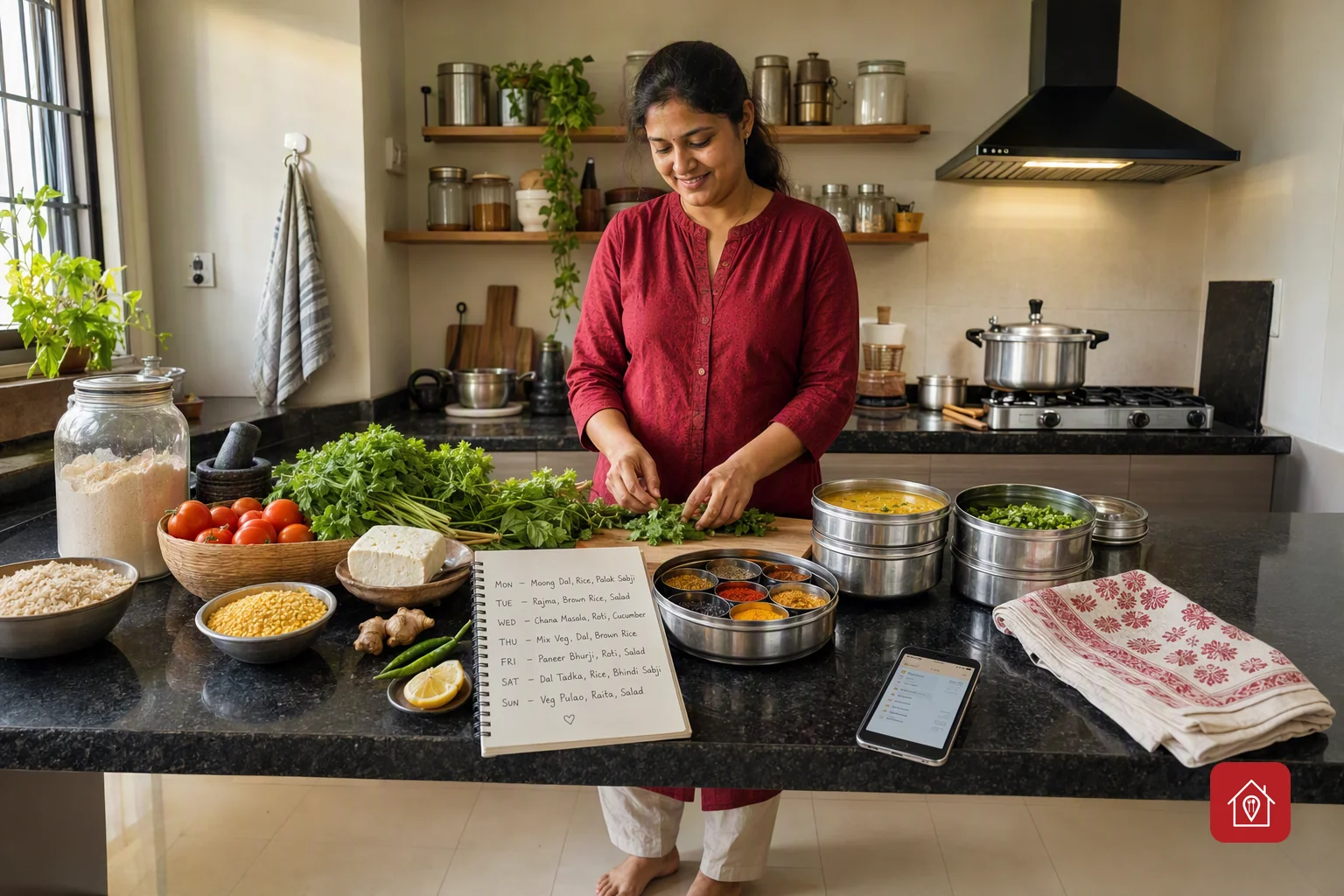
Meal Planning for Beginners: How to Plan Healthy Indian Meals for a Week
Tired of Last-Minute Meal Decisions? Here’s How to Simplify Your Week
The 6 pm question of “What should we cook tonight?” can make even the most organised Indian household feel rushed, hungry, and tempted to order something random. Between work calls, school schedules, commutes, and differing family preferences, deciding meals at the last minute often leads to repeat dishes, unused vegetables in the fridge, and grocery bills that quietly climb higher each week.
That’s where meal planning for beginners can transform your daily cooking routine. It’s not about following a rigid diet or spending Sunday cooking every meal for the week. Instead, it’s about deciding a few meals ahead, checking what you already have, and shopping with a clear purpose. The result? A kitchen that works around your life rather than creating another daily decision.
AnyFeast makes this process even easier. With AI recipe suggestions tailored to your tastes, Leftover Magic to reinvent ingredients you already have, and Smart Shopping to streamline your grocery list, meal planning becomes simple, satisfying, and completely doable. Ready to reclaim your evenings and eat well? Let’s dive into how you can start planning meals for a week.
Why Meal Planning Works for Indian Families
What Is Meal Planning and How Does It Help?
Meal planning is the simple practice of deciding what you’ll eat before hunger and a hectic day make the decision for you. For beginners, this might mean choosing five dinners, two breakfasts, and a couple of lunch options for the week—not mapping every bite with military precision.
A healthy Indian meal plan for a week starts with the food your household already enjoys: dal, roti, rice, seasonal sabzi, eggs, paneer, curd, fruit, and familiar masalas. Then, it gives each ingredient a purpose. Instead of buying spinach or paneer with vague good intentions, you’ll know which meals will use them and when.
A Balanced Plate Becomes Easier to Build
When meals are decided in advance, it’s easier to include a satisfying mix of:
- Energy-giving grains: atta rotis, rice, poha, millets, oats, or daliya
- Protein-rich foods: dals, chana, rajma, sprouts, paneer, eggs, curd, fish, or chicken
- Colour and fibre: leafy greens, gourds, carrots, beans, tomatoes, cauliflower, and other seasonal vegetables
- Everyday flavour and nourishment: jeera, haldi, ginger, garlic, lemon, herbs, nuts, and seeds
This doesn’t mean every meal needs to look perfectly balanced. It means your week has a natural rhythm. For example, if Monday dinner is comforting khichdi with curd, Tuesday can bring vegetable stir-fry with rotis and moong dal.
It Saves Time Where It Matters Most
The biggest win is often not cooking faster—it’s thinking less at the busiest time of day . A weekly plan answers the small questions that add up: What should we make? Do we have enough onions? Should the dal soak tonight?
With a plan in place, you can wash and chop vegetables, cook dal, boil chana, or prepare a versatile tomato-onion base when you have time. On a weekday, that groundwork can become chole, dal tadka, pulao, or stuffed parathas without starting from scratch.
AnyFeast’s AI recipe suggestions help you find dishes that suit your ingredients, cooking time, and family tastes. Instead of scrolling endlessly for inspiration, you can move quickly from “What can I cook?” to a meal idea that genuinely fits your evening.
How to Start Weekly Meal Planning for Indian Families
1. Take Stock of Your Kitchen First
Spend a few minutes checking the fridge, freezer, and pantry. Note ingredients that need using soon, such as spinach, tomatoes, curd, cooked rice, or half a block of paneer. Then, look at staples: atta, rice, poha, suji, dals, chana, rajma, besan, spices, onions, and potatoes.
This prevents duplicate purchases and gives your plan a useful starting point. For example:
- Cooked rice can become lemon rice, vegetable fried rice, or rice cutlets.
- Leftover dal can become dal paratha dough, soup, or a hearty curry base.
- Curd can feature in kadhi, raita, marinades, or a quick fruit bowl.
- A bag of carrots and beans can cover pulao, sabzi, uttapam topping, and a lunchbox stir-fry.
2. Choose a Manageable Number of Meals
Start with five dinners, a few breakfast options, and two flexible meals for leftovers or eating out. A simple structure might look like this:
- Two dal-based dinners: moong dal with lauki, or masoor dal with jeera rice
- One bean or legume meal: rajma chawal, chole with phulka, or kala chana curry
- One paneer or egg meal: paneer bhurji wraps, egg curry, or soya matar
- One quick one-pot meal: vegetable khichdi, masala oats, or pulao
3. Match Recipes to Your Available Time
Put quicker dishes on your busiest days and reserve longer cooking for the weekend. For example, Tuesday after a long commute may suit besan chilla with mint curd, while Sunday can be the day for slow-simmered vegetable pulao.
4. Build One Organised Shopping List
Once your meals are selected, combine all required ingredients into categories:
Check quantities against what’s already at home, then use AnyFeast Smart Shopping to keep the list focused and practical.
Conclusion
Meal planning for beginners is a practical way to make everyday Indian meals healthier, more organised, and kinder to your budget. Start small, plan around your busy days, and leave room to swap dishes when life changes. With AnyFeast’s AI recipe suggestions, Smart Shopping, and Leftover Magic, you can make meal planning simple, satisfying, and stress-free.
Ready to start? Visit AnyFeast today and make your first weekly meal plan effortlessly delicious.
Related Reading
- 7-Day Indian Meal Plan: Stay Organised, Eat Better & Save Time
- Healthy Meals Start with Planning: Your Ultimate Guide to Meal Mastery in India
- Balanced Diet Chart for India: 7-Day Healthy Meal Plan