Flexible Meal Planning: Reach Your Goals Without a Perfect Diet Plan
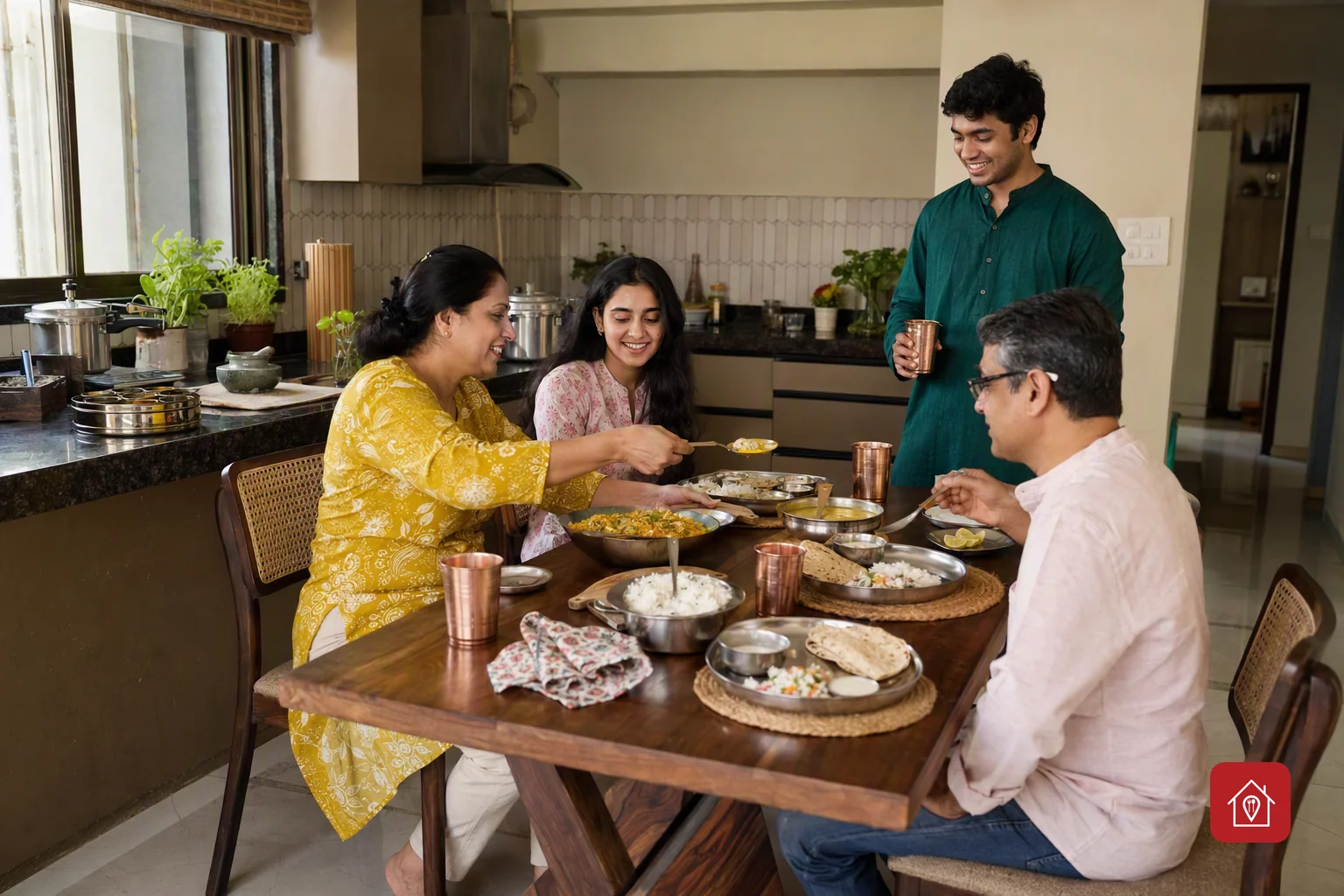
Flexible Meal Planning for Busy Indian Families: A Simple Way to Eat Well
A meal plan should make your day easier—not make you feel guilty because Tuesday’s lunch didn’t go exactly as planned. Between long workdays, family commitments, unexpected guests, and the craving for a comforting bowl of rajma chawal, a rigid food schedule can quickly become more stressful than helpful. That’s where flexible meal planning makes all the difference.
Flexible meal planning is a practical way to decide what you could eat, rather than demanding exactly what you must eat at every meal. It gives you a loose, useful structure: a few breakfast ideas, versatile lunch and dinner options, ingredients with multiple uses, and easy alternatives for busy days. With AnyFeast , you can simplify this process further, using AI recipe suggestions tailored to your preferences, schedule, and available ingredients.
Why Flexible Meal Planning Works Better Than Strict Dieting
A Flexible Plan is a Framework, Not a Food Rulebook
With flexible meal planning, you prepare for choices. Instead of deciding that Tuesday dinner can only be palak paneer, you might plan for a paneer-and-vegetable dinner slot . If spinach is fresh, make palak paneer. If you have capsicum and leftover rotis, turn them into paneer kathi rolls. If time is short, paneer bhurji with phulkas works beautifully.
The same thinking applies across the week:
- Keep one or two cooked bases ready, such as onion-tomato masala, boiled chana, cooked rice, or roasted vegetables.
- Choose ingredients that move easily between meals: curd for raita, kadhi, or a smoothie; atta for rotis, cheela-style wraps, or savoury pancakes.
- Plan a mix of quick meals and slower, comforting dishes, such as vegetable upma on a rushed morning and rajma chawal when you have more time.
- Leave a little open space for social meals, takeaway nights, festive food, and changing appetites.
This approach supports the essentials of balanced eating—variety, moderation, and nourishing ingredients—without turning food into a daily test of discipline.
How to Build a Simple Weekly Meal Plan for Indian Homes
Start with the Goal, Not a List of “Perfect” Meals
A useful flexible meal plan begins by defining what you want your food routine to support. Your goal might be to cook at home more often, include more vegetables, make weekday dinners quicker, or bring more variety to family lunches. Keep the goal simple and practical enough to guide decisions when the week gets busy.
For example:
- For quicker weeknights: Plan two easy dinners built around familiar staples, such as dal with jeera rice, paneer bhurji with rotis, or a vegetable pulao with raita.
- For more balanced plates: Choose a mix of dals, beans, paneer, curd, vegetables, fruit, whole grains, and satisfying fats such as nuts, seeds, or a little ghee.
- For less food waste: Select ingredients that can appear in more than one meal, including spinach, capsicum, carrots, tomatoes, curd, and cooked rice.
Plan Meal Building Blocks Instead of Fixed Daily Menus
Rather than deciding that Wednesday must always be one exact recipe, create a short menu of interchangeable building blocks. This gives you options without leaving you staring into the fridge at 8 pm.
With these components at home, one evening’s rajma can become a filling rice bowl, while leftover rotis can turn into a quick paneer roll. A pot of cooked chana can become chaat for an evening snack or a hearty lunch salad.
How to Reduce Food Waste with Leftovers
Yesterday’s dal, rice, or sabzi is not a planning failure—it’s a head start on today’s meal. Leftover Magic on AnyFeast helps you see cooked ingredients as useful building blocks, then suggests fresh, appealing ways to turn them into something your family will genuinely look forward to eating.
Give Familiar Leftovers a New Format
A small bowl of cooked food may not feel like a complete meal on its own, but it can become the centre of a wrap, cutlet, stuffed paratha, or chaat. Think in terms of base + binding ingredient + fresh finish :
- Leftover dal: Mix with atta and spices for soft dal parathas, or simmer with extra water and vegetables for a comforting soup-like bowl.
- Cooked rice: Turn it into vegetable fried rice with peas, carrots, spring onion, and a dash of soy sauce; or combine it with mashed potato, herbs, and spices for crisp rice cutlets.
- Dry sabzi: Use aloo gobi, beans poriyal, or cabbage sabzi as a filling for cheela, sandwiches, or roti rolls with curd and chutney.
With AnyFeast’s Leftover Magic , you can start with what’s already in your kitchen and get recipe inspiration around those ingredients. It turns the “What can I do with this?” moment into a practical meal idea.
Conclusion
Flexible meal planning is not about lowering your standards; it’s about creating a routine that fits real life. When meals can adapt to busy evenings, changing cravings, and different family preferences, it becomes much easier to eat well consistently.
- Choose a handful of meal ideas instead of mapping every meal perfectly.
- Prepare useful basics such as onion-tomato masala, soaked lentils, or cooked rice when time allows.
- Shop for ingredients that work in several dishes, so a change of plan doesn’t create waste.
- Use leftovers creatively to make the next meal quicker, tastier, and more economical.
With AnyFeast, flexible meal planning feels even more effortless. Discover suitable dishes with AI recipe suggestions, let Smart Shopping build a practical ingredient list, and enjoy doorstep delivery when you need it. When there’s food left over, Leftover Magic can inspire a fresh idea from what’s already in your kitchen.
Ready to make mealtimes calmer and more enjoyable? Explore AnyFeast today and build a flexible meal plan that works beautifully for you.
Related Reading
- Healthy Meal Plan Goals for the Week: A Practical Indian Guide
- Balanced Diet Chart for India: 7-Day Healthy Meal Plan
- Easy 7-Day Indian Keto Diet Meal Plan for Beginners