Balanced Diet: NHS-Inspired Guide for Indian Families
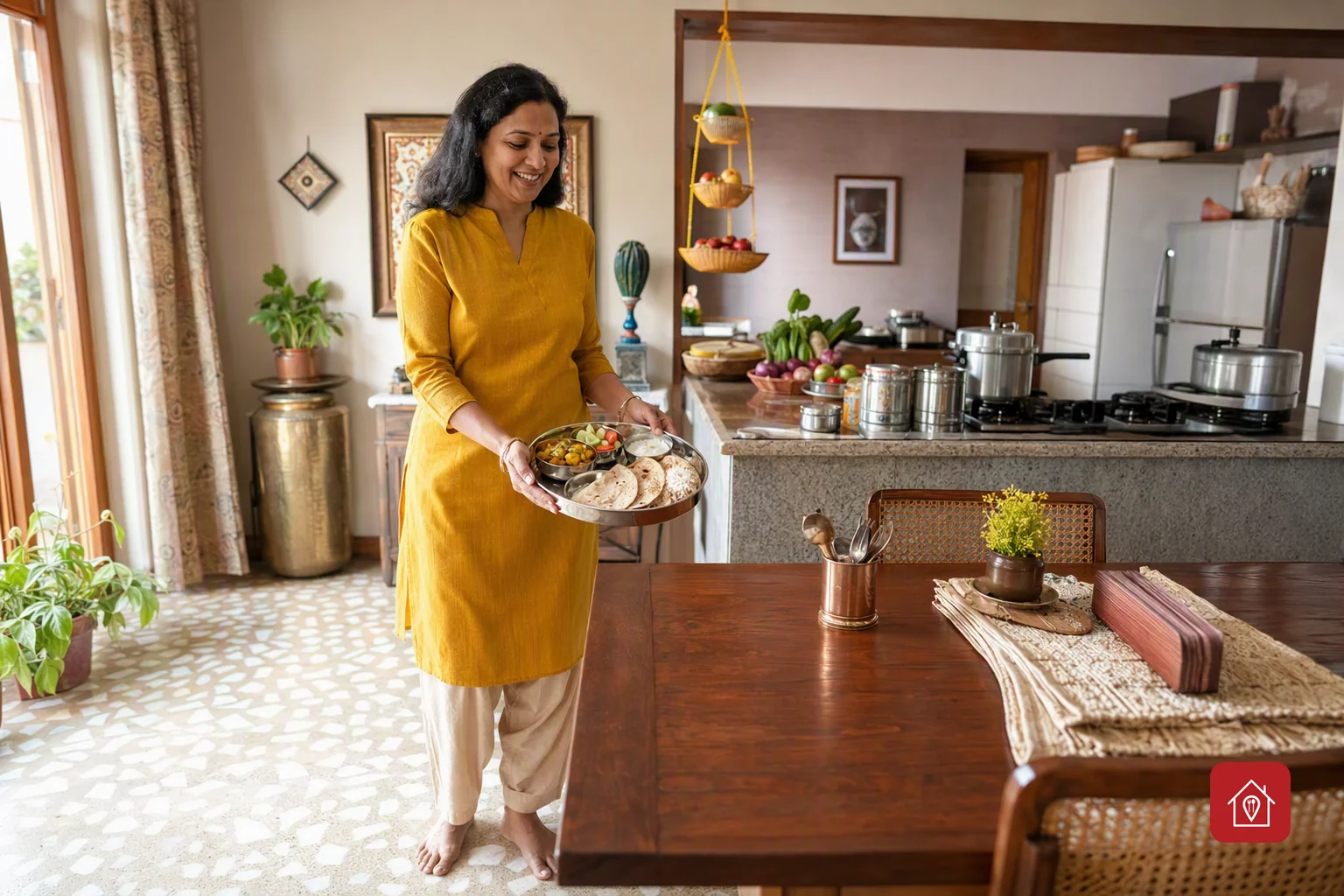
How to Eat a Balanced Diet: A Practical Guide for Indian Families
A balanced diet is the cornerstone of a healthy lifestyle, but it doesn't mean giving up the comforting foods your family loves. Instead, it’s about making thoughtful choices to ensure every meal contributes to your well-being. From a steaming plate of poha for breakfast to a wholesome thali of dal, roti, sabzi, and curd at lunch, Indian cuisine already provides the perfect foundation for a healthy balanced diet .
At its core, a balanced diet is about eating a variety of foods in the right proportions so your body gets the nutrients it needs to function at its best. Both the NHS balanced diet guide and Indian dietary traditions emphasize diversity—cereals, pulses, vegetables, fruits, and dairy all play a role. This practical approach fits seamlessly into Indian family kitchens, whether you’re preparing vegetarian meals, cooking with eggs and chicken, or catering to a multigenerational household with varied tastes.
This guide will help you turn broad healthy-eating advice into realistic habits for busy Indian family life. You’ll find approachable meal ideas, a balanced diet chart for Indian family routines, portion control tips, and mindful eating strategies. Plus, discover how AnyFeast can simplify meal planning and make healthy eating effortless for your family.
What is a Balanced Diet and Why Does It Matter?
A Balanced Diet is Variety with Purpose
A balanced diet means consuming a wide range of foods in proportions that provide the energy and nutrients your body needs. It’s not about perfection or rigid rules but about the overall pattern of what you eat across the day and week.
For Indian families, this concept is incredibly practical. A typical meal of roti, moong dal, bhindi sabzi, and dahi already combines key food groups in a single plate. The NHS balanced diet guide and Indian dietary guidelines both emphasize variety, making it easier to include your favourite dishes while ensuring they’re nourishing.
A balanced diet also allows room for indulgences. Whether it’s a Sunday paratha breakfast or a festive biryani, these treats can coexist with everyday meals that are rich in variety and nutrition.
What Your Body Gets from a Balanced Plate
Each food group has a unique role in supporting your health. Here’s how they contribute:
- Carbohydrates : Provide energy for daily activities. Choose options like atta rotis, rice, millets, poha, oats, idli, dosa, jowar, and bajra.
- Proteins : Essential for muscle repair and satiety. Include dal, chana, rajma, paneer, eggs, chicken, or fish.
- Fats : Add flavour and help absorb vitamins. Use nuts, seeds, ghee, or oils in moderation.
- Vitamins and Minerals : Found in colourful vegetables, fruits, dairy, and pulses. Think spinach, carrots, tomatoes, guava, and seasonal fruits.
- Fibre : Adds bulk and aids digestion. Found in whole grains, vegetables, and fruits.
Indian meals naturally combine these elements. For example, adding peanuts and vegetables to poha or pairing khichdi with curd and salad can turn simple dishes into Indian balanced meal plates .
Which Food Groups Should Appear in an Indian Balanced Diet?
Build Meals Around Energy-Giving Staples
Carbohydrates are the foundation of Indian meals, but variety is key. Rotate staples to include different nutrients and flavours.
Include a Dependable Protein Source
Protein is vital for all age groups. Options include dals, paneer, curd, eggs, chicken, and fish. Pair these with grains and vegetables for a complete meal.
Make Vegetables and Fruits the Colourful Part of the Plate
Seasonal and colourful produce adds vitamins, minerals, and fibre. Include:
- Green Vegetables : Spinach, beans, peas
- Orange and Red Vegetables : Carrots, tomatoes
- Fruits : Banana, guava, mango
Use Fats Thoughtfully
Fats enhance flavour and satisfaction. Use ghee, nuts, and seeds in moderation.
How to Build a Balanced Indian Plate at Lunch or Dinner
A balanced Indian plate doesn’t mean giving up dal-chawal or roti-sabzi. It’s about combining grains, proteins, vegetables, and dairy in portions that feel satisfying.
Start with the Staple
Choose a grain base and complement it with other food groups. For example:
- Roti Meal : Rotis with dal, sabzi, and dahi
- Rice Meal : Rice with rajma, salad, and curd
- Millet Meal : Bajra rotis with chana dal and vegetables
Add a Protein Anchor
Include a protein-rich dish like dal, chole, paneer, or chicken curry.
Let Vegetables Shine
Make vegetables a substantial part of the meal. Pair methi aloo with kachumber or cabbage-peas sabzi with cucumber raita.
How Can AnyFeast Simplify Balanced Meal Planning?
Discover Recipes Your Family Will Love
AnyFeast’s AI recipe suggestions help you find meals that suit your family’s preferences while ensuring variety. From moong dal khichdi to paneer wraps, you’ll never run out of ideas.
Reduce Food Waste with Leftover Magic
Turn extra rice into lemon rice or leftover dal into cheela batter. Leftover Magic ensures nothing goes to waste.
Shop Smarter
With Smart Shopping , plan your weekly groceries around balanced meals. Doorstep delivery ensures you always have fresh ingredients.
Conclusion
Eating a balanced diet doesn’t mean giving up your favourite foods. It’s about making small, thoughtful changes to include grains, proteins, vegetables, and dairy in every meal. With AnyFeast, planning and preparing a healthy balanced diet with Indian food becomes effortless. From tailored recipe suggestions to smart shopping and leftover solutions, AnyFeast is your partner in creating a wholesome, delicious family menu. Start your journey to balanced eating with AnyFeast today!
Related Reading
- Happy Hour Snacks: 19 Indian-Inspired Recipes Better Than Peanuts
- Insulin Resistance Diet Plan for Weight Loss: 7-Day Indian Menu
- Keto Diet Meal Plan: Easy 7-Day Indian Recipes for Beginners