Measure Cereal Before or After Grinding? The Muffin Recipe Answer
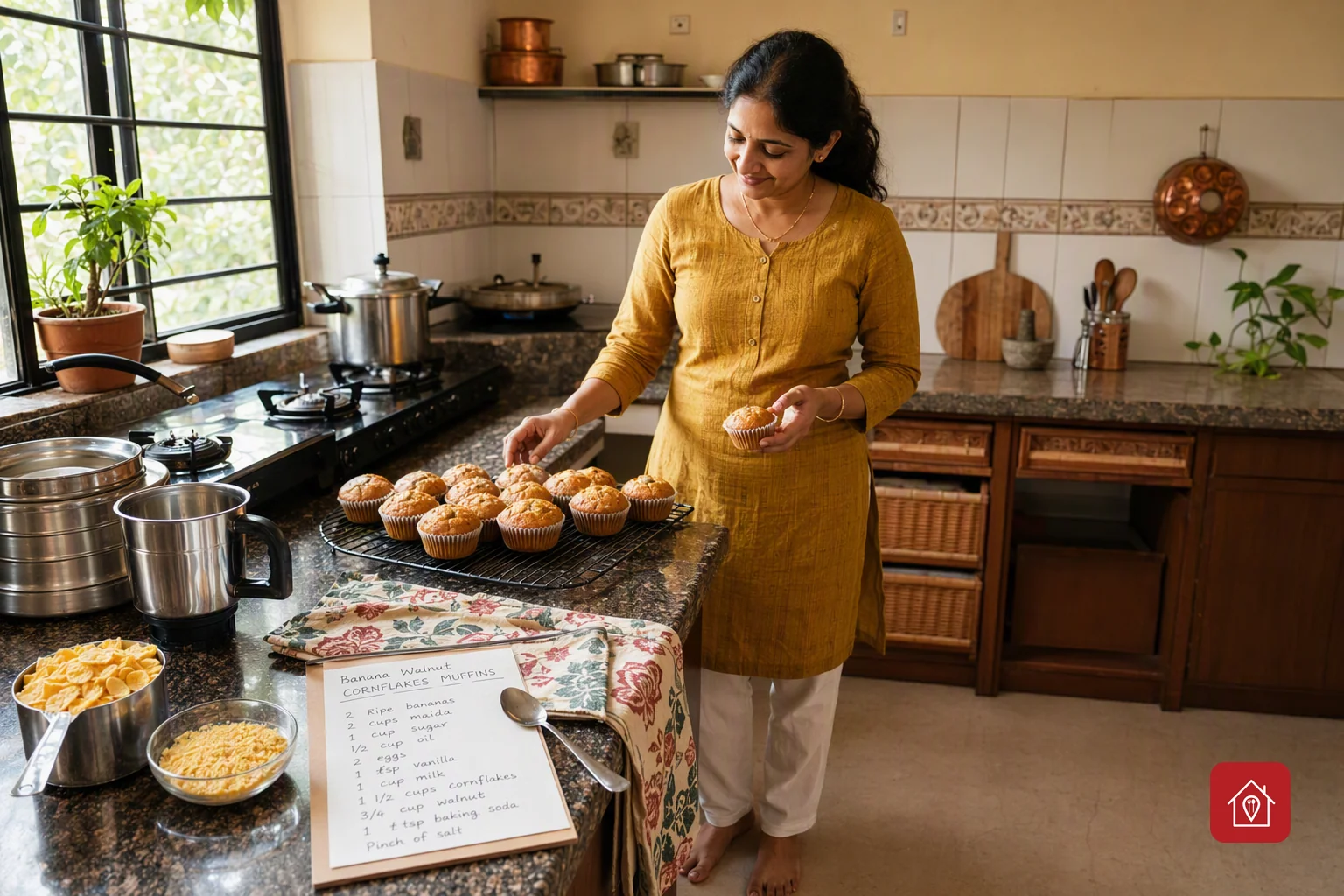
A single comma can be the difference between a tender, crunchy-topped muffin and a batch that feels unexpectedly dense. If you have ever paused over the question, “measure cereal before or after grinding?” , you are far from alone. Recipe wording such as “1 cup cereal, ground” and “1 cup ground cereal” looks almost identical at a glance, yet each instruction asks you to do something quite different—and baking notices the difference.
Here is the simple rule: when a recipe says “1 cup cereal, ground,” you fill the cup with whole cereal first and then grind it. When it says “1 cup ground cereal,” you grind the cereal before filling the cup. Because cereal changes shape, settles into a smaller space and can become much finer once blitzed, swapping the order can alter the amount that goes into your muffin batter.
That matters because baking is built on balance. The proportion of dry ingredients to liquids, fat and raising agents affects how a muffin rises, how soft its crumb feels and whether it has that satisfying bakery-style bite. A little extra cereal powder may make a batter thicker; too little may leave the texture unlike the recipe writer intended. The good news? Once you know how to read the phrase, it is an easy detail to get right every time.
For Indian home bakers, this question often comes up with everyday favourites such as cornflakes and bran flakes. Ground cornflakes can add a gentle toasted flavour and a pleasing crumb to muffins, while bran flakes bring a heartier character. You can use a food processor or mixer grinder to break them down, stopping before they turn into an ultra-fine dust if the recipe calls for a little texture.
In this guide, you will learn exactly how to interpret cereal measurements, choose the right grinding method and avoid the small mistakes that can affect your bake. You will also find practical ways to make muffin preparation feel simpler, whether you are using cereals already in your pantry or planning a fresh baking session. With AnyFeast , AI-powered recipe suggestions can help you discover cereal muffin ideas suited to your tastes, while Smart Shopping and doorstep ingredient delivery make it wonderfully convenient to gather what you need.
Should you measure cereal before or after grinding?
The answer to “measure cereal before or after grinding?” depends entirely on the order of the words in your recipe. In muffins, that small distinction tells you how much cereal should ultimately go into the bowl—and it can noticeably influence the finished crumb.
Read the recipe phrase, then follow its order
Use this quick guide whenever you are baking with cornflakes, bran flakes or another breakfast cereal:
- “1 cup cereal, ground” : Measure 1 cup of whole cereal first , then grind that amount.
- “1 cup ground cereal” : Grind the cereal first, then measure 1 cup of the ground cereal .
The comma is doing useful work in the first instruction. “Cereal, ground” describes what you do to the cereal after measuring it. In the second instruction, “ground cereal” is the ingredient you are being asked to measure.
It is a particularly important detail for cereals because whole flakes are airy and irregular, while ground flakes settle closer together in a cup. A cup of cornflakes occupies plenty of space before grinding; once blitzed in a mixer grinder or food processor, the pieces become smaller and pack differently. So, measuring in the wrong order can mean adding more or less cereal than the muffin recipe was designed for.
Why muffin batter notices the difference
Muffins may be wonderfully simple to make, but their texture depends on the relationship between dry ingredients, liquids, fat and raising agents. Ground cereal is not just a garnish here—it becomes part of the dry mixture.
If a recipe calls for 1 cup cereal, ground , but you grind a large amount first and then measure a full cup of powder, you may add more cereal than intended. The batter can become thicker, and the muffins may lose some of the soft, light texture you expected. On the other hand, using too little ground cereal can reduce the toasty flavour and character the recipe was built around.
Think of it this way: a muffin recipe is a set of instructions, not merely an ingredient list. Following the measurement sequence helps preserve the balance the recipe writer planned.
A practical example with cornflakes
Suppose your recipe says “1 cup cornflakes, ground.”
- Take your dry measuring cup.
- Fill it with whole cornflakes, without crushing them down.
- Tip the measured cornflakes into a clean, dry mixer grinder jar or food processor.
- Pulse until you reach the texture the recipe needs.
You may end up with less than a cup of ground cornflakes after processing. That is correct, because the recipe asked for one cup before grinding.
Now imagine the recipe instead says “1 cup ground cornflakes.” In that case, grind a larger quantity of cornflakes first. Then spoon the ground cereal into the measuring cup and level the top gently. You are measuring the powder or crumbs, rather than the whole flakes.
Choose the texture that suits the recipe
For many cereal muffins, a slightly coarse grind gives the best result. Small crumbs can blend into the batter while retaining a little pleasant bite. Avoid running the appliance continuously for too long if the recipe suggests texture; brief pulses give you more control than turning cornflakes or bran flakes into an ultra-fine dust.
Before you begin, let AnyFeast’s AI recipe suggestions guide you towards muffin ideas based on the cereals and flavours you enjoy. Smart Shopping can also help you organise the baking essentials, while doorstep ingredient delivery makes it easy to start with the right cereal, flour and pantry staples ready for your next batch.
What is the difference between “1 cup cereal, ground” and “1 cup ground cereal”?
Read the ingredient line as a sequence of actions
When you are deciding whether to measure cereal before or after grinding , look closely at where the descriptive word appears. In recipe writing, punctuation and word order tell you which version of the ingredient belongs in the measuring cup.
- “1 cup cereal, ground” : start with the cereal in its original flake form. Fill the cup first, then process it.
- “1 cup ground cereal” : prepare the cereal crumbs or powder first. Measure the processed cereal afterwards.
This distinction applies whether you are working with cornflakes, bran flakes, toasted multigrain cereal or another dry breakfast cereal suitable for baking. The cereal may be the same product, but it is not the same volume once its shape has changed.
Why the wording changes the result
Whole cereal flakes contain lots of gaps. They sit loosely in a measuring cup and take up room because of their shape. Grinding breaks those flakes into finer particles that settle differently. A cup filled with ground crumbs therefore contains a different amount of cereal from a cup filled with intact flakes that is later ground.
That is why recipe wording matters so much in muffins. Cereal crumbs can contribute body, a gentle toasted note and a pleasantly hearty crumb. If you use a full cup of ground cereal where the recipe intended a cup of whole cereal to be processed, the dry ingredients can become disproportionately heavy. If you use the smaller amount produced from grinding a cup of flakes when the recipe asked for a cup of ground cereal, the cereal flavour and structure may be less pronounced than intended.
In short, do not try to make the amount “look right” after grinding. Let the original wording decide the order.
A quick decision check before you bake
Use this simple kitchen test whenever an ingredient list feels unclear:
Ask: what is the noun being counted by the cup?
- In “1 cup cornflakes, ground” , the cup counts cornflakes . Grinding is the next instruction.
- In “1 cup ground cornflakes” , the cup counts ground cornflakes . The grinding must happen before measuring.
The same reading rule can help with other baking ingredients too. A comma often separates an ingredient from a preparation instruction, while an adjective placed before the ingredient name usually describes the form you need to measure.
Keep the cereal texture intentional
Once you know the correct measuring order, grind with the muffin’s final texture in mind. A few short pulses in a dry mixer grinder jar or food processor are usually easier to control than a long uninterrupted blend. For a rustic cornflake muffin, uneven crumbs can add appealing texture. For a smoother bran-flake batter, continue processing until the pieces are more uniform—but stop before the cereal becomes excessively fine unless the recipe specifically calls for a powder-like result.
It also helps to use a dry cup and a dry appliance jar. Moisture can make cereal crumbs cling together, making them harder to portion evenly.
For a calmer baking day, AnyFeast can suggest muffin recipes around the cereal already in your kitchen through its AI recipe suggestions. Planning a fresh batch? Smart Shopping keeps your flour, cereal, baking essentials and flavour additions organised, while AnyFeast’s doorstep ingredient delivery brings everything together conveniently.
Why does this small measuring detail matter in muffins?
Muffins are small, but their ingredient balance is not
In a muffin recipe, cereal is rarely there just for decoration. Ground cornflakes, bran flakes or multigrain cereal can influence the batter’s body, toasted flavour and final crumb. That is why the answer to “measure cereal before or after grinding” matters more than it may first appear.
Muffin batter depends on the right balance between dry ingredients and wet ingredients. Flour, cereal crumbs, baking powder, milk, curd, eggs or other binders all need to work together. When the cereal quantity changes because it was measured in the wrong form, that balance shifts too.
A cereal that is ground after measuring may yield a comparatively modest amount of crumbs. But a full cup of already-ground cereal packs in more particles. Treating these two instructions as interchangeable can make a meaningful difference to the batter.
What can go wrong when the amount changes?
If you accidentally add too much ground cereal , the dry mix can dominate the batter. The muffins may turn out heavier than planned, with a more pronounced cereal taste and a crumb that feels less tender.
If you add too little , the opposite can happen. The muffins may lack the intended hearty texture, light crunch or familiar toasted cornflake or bran note that the recipe developer built into the recipe.
The effect is especially noticeable in simple muffins, where there are fewer bold ingredients to hide an imbalance. Think banana-bran muffins, apple-cinnamon cornflake muffins, date-and-walnut cereal muffins or chocolate-chip muffins made with crushed cornflakes. In each case, the cereal’s form affects how it sits within the batter and how present it feels in every bite.
Texture starts before the batter is mixed
The degree of grinding matters alongside the measuring order. Cereal processed into coarse crumbs brings a more rustic, nubbly character, while finer crumbs blend more quietly into the muffin. Neither is automatically better; the recipe and the result you want should guide you.
For dependable results:
- Pulse rather than continuously blend in a mixer grinder or food processor, checking the cereal between pulses.
- Keep a few coarse crumbs for muffins where you want a little texture, such as cornflake, raisin or nut muffins.
- Grind more evenly when you want the cereal to blend into a softer, more uniform crumb.
- Measure at the stage stated in the ingredient list , then add it with the flour and other dry ingredients as directed.
- Avoid guessing by eye. A cup of flakes and a cup of crumbs may look equally full, but they do not contribute the same amount to the recipe.
A better way to plan a cereal muffin bake
Before starting, read the full ingredient list and decide whether your cereal needs to be measured whole or ground. Then set out the correct cup measure, dry mixer jar, flour, raising agent and flavourings such as elaichi, cinnamon, vanilla, chopped dates or chocolate chips. This small bit of preparation keeps the batter closer to the texture the recipe intends.
AnyFeast makes that preparation especially easy. Its AI recipe suggestions can help you turn cornflakes, bran flakes or pantry cereals into muffins suited to your taste, while Smart Shopping helps organise the baking essentials you need. With doorstep ingredient delivery, a fresh batch of warm, well-balanced muffins is always wonderfully convenient to plan.
How much do common cereals weigh before and after grinding?
A kitchen scale is the clearest way to see why measuring order matters, but there is no single reliable gram weight for every cereal. Cornflakes, bran flakes and similar products vary by brand, flake size and how finely they are ground. Crushing also changes how closely the particles settle in a cup.
Use the ingredient wording as your guide, then weigh or cup-measure at that exact stage.
For the most consistent bake, place a bowl on your scale and note the weight after measuring the cereal in the form the recipe specifies. If you make the same muffin again, that personal note becomes useful: you will know exactly which cereal, grind and quantity gave you the tender or textured crumb you liked.
When deciding measure cereal before or after grinding , do not try to make one form “equal” the other by eye. A cup of airy flakes and a cup of settled crumbs are different ingredients in practical baking terms. Pulse the cereal in short bursts, stop before it turns powdery unless the recipe calls for it, and measure only once it has reached the required stage.
AnyFeast makes these small baking decisions easier to plan. Its AI recipe suggestions can guide you towards muffins that suit the cereal already in your kitchen, while Smart Shopping helps you organise flour, baking powder, curd, eggs, nuts and flavourings alongside your chosen flakes. With doorstep ingredient delivery, you can confidently turn the right cereal quantity into a warm batch of homemade muffins.
How do you grind cornflakes or bran flakes for muffin batter?
Choose the right tool and texture
A food processor gives the most even result for a larger batch of cornflakes or bran flakes, while a mixer grinder works well for a single muffin recipe. The goal is usually fine crumbs with a little variation , not an ultra-smooth flour—unless your recipe specifically asks for cereal powder.
For cornflake muffins, a slightly coarse grind preserves tiny crisp-edged pieces that soften pleasantly as the batter bakes. Bran flakes can be processed a touch finer, especially for breakfast muffins, but a few visible flecks add character to date-walnut, banana or raisin batters.
Before you begin, make sure the jar or processor bowl is completely dry. Moisture can make cereal crumbs clump, preventing them from blending evenly through the flour and wet ingredients.
A reliable method for grinding cereal
Once you have measured the cereal at the stage your recipe specifies, follow this simple approach:
- Add the cereal to the grinder jar or food processor. Do not pack it down; flakes need a little room to move around the blades.
- Pulse in short bursts. Pause between pulses so the larger flakes fall towards the blades.
- Check the texture after every few pulses. Rub a pinch between your fingers. For most muffins, the crumbs should feel similar to coarse breadcrumbs, with a few finer particles.
- Shake or stir once if needed. This helps any whole flakes on top process without taking the crumbs at the bottom too far.
- Tip into a dry bowl and measure, if the recipe requires ground cereal to be measured. Let the crumbs settle naturally; do not press them firmly into the cup.
A mixer grinder can turn cornflakes into dust very quickly, especially in a small jar. Use the pulse setting rather than running it continuously. Over-ground cereal may make a muffin’s crumb more uniform, but it can also remove the pleasing texture that cornflakes and bran flakes bring to the batter.
Match the grind to your muffin
The best texture depends on what else is going into the bowl:
- Apple-cinnamon or banana cornflake muffins: Keep the crumbs moderately coarse for a gentle toasted crunch.
- Chocolate-chip muffins: Use finer cornflake crumbs so the chocolate remains the star, while the cereal adds body.
- Date-and-walnut bran muffins: Leave a few small flakes for a hearty, rustic bite.
- Raisin or mixed-fruit breakfast muffins: Aim for mostly fine bran-flake crumbs so the fruit distributes evenly.
- Muffins for younger children: Grind the cereal finer to avoid distinct crunchy pieces, while retaining its flavour.
Small details that protect your batter
Grind cereal just before mixing whenever possible. Freshly crushed flakes are easier to portion and have a brighter toasted aroma. If you are combining the crumbs with atta, maida, baking powder, cinnamon or cocoa, whisk those dry ingredients together well before adding curd, milk, eggs, melted butter or ghee. This helps the cereal disperse through every muffin rather than sinking into one dense patch.
Not sure whether your leftover cornflakes suit a banana muffin, or whether bran flakes would work better with dates? AnyFeast’s AI recipe suggestions can turn the cereal already in your cupboard into a fitting bake. Smart Shopping keeps the rest of your list organised—from flour and nuts to curd and baking powder—and doorstep ingredient delivery means your muffin plan can move from idea to warm, fragrant batch with ease.
What is the most accurate way to measure ground cereal?
For the most dependable muffin batter, measure ground cereal by weight on a digital kitchen scale . A scale removes the guesswork caused by airy crumbs, uneven flakes and different grind sizes. It is particularly helpful with cornflakes and bran flakes, which can sit loosely in a cup one day and settle more densely the next.
Use a scale when the recipe gives grams
Place a clean, dry bowl on the scale and reset it to zero. Add the ground cereal gradually until you reach the stated weight. Avoid shaking the bowl vigorously or pressing the crumbs down; the number on the scale, rather than how full the bowl looks, is what matters.
This method keeps the dry-ingredient balance consistent. In muffins, ground cereal contributes structure and absorbs moisture alongside maida, atta or other flour. A little too much can leave the crumb dry or heavy, while too little may make a batch softer and less cereal-forward than intended.
For the cleanest workflow:
- Grind in a fully dry mixer-grinder jar or food processor bowl.
- Transfer the crumbs to the bowl on the scale rather than trying to weigh them in the grinder jar.
- Add small amounts near the end so you do not overshoot the required quantity.
- Use the cereal crumbs promptly for their best texture and toasted flavour.
- Keep the scale bowl dry , especially before adding flour, baking powder, cinnamon or cocoa.
If the recipe uses cups, choose one method and stay consistent
A standard dry measuring cup is the next best option when a recipe lists cereal by volume. Spoon ground cereal lightly into the cup until it overflows, then level the top with a straight edge. Do not tap the cup on the counter, shake it to settle the crumbs or compact them with a spoon.
Those seemingly tiny actions can fit noticeably more cereal into the cup. Because baking depends on well-balanced ingredient ratios, a packed cup of finely ground bran flakes will not behave exactly like a lightly filled cup of coarser cornflake crumbs.
Use dry measuring cups , not a teacup, mug or liquid measuring jug. A proper set of measuring cups gives your banana-cornflake muffins, date-and-walnut bran muffins or cinnamon-raisin breakfast muffins a far more repeatable result.
Keep the grind texture uniform
Even with a scale, consistency in the grind matters. A bowl containing mostly powder with a few large shards will distribute differently through batter than evenly crushed crumbs. Pulse the cereal, stop to check it, and aim for the texture the recipe calls for before weighing or filling your cup.
If you have made more crumbs than needed, set aside the extra in a dry, airtight container for another bake. Do not add the surplus simply because it is available: muffin recipes are designed around a particular balance of cereal, flour, fat and liquid.
Let AnyFeast make the planning simpler
When you are deciding what to bake with cornflakes, bran flakes, ripe bananas or dates, AnyFeast’s AI recipe suggestions can help you find a muffin idea suited to what is already in your kitchen. Its Leftover Magic feature is especially handy for turning the last handful of breakfast cereal into a warm, useful bake rather than letting it linger in the cupboard.
Once you have chosen a recipe, Smart Shopping keeps essentials such as flour, curd, eggs, butter, nuts and baking powder together in one organised list. With doorstep ingredient delivery, AnyFeast makes it wonderfully easy to focus on the satisfying parts: grinding, mixing and lifting a tray of fragrant muffins from the oven.
Which mistakes can make cereal muffins heavy, dry or gritty?
Grinding the cereal too finely—or not finely enough
Texture starts in the mixer-grinder. Cornflakes, bran flakes and similar breakfast cereals should be pulsed into crumbs suited to the recipe, rather than blitzed continuously without checking. An ultra-fine, dusty powder can absorb liquid quickly and create a close, heavy muffin crumb. At the other extreme, large sharp flakes may remain dry in the batter and produce an unpleasantly gritty bite.
For most cereal muffins, aim for mostly even crumbs with a little natural variation, unless the recipe specifically asks for a flour-like powder. Pause the grinder between pulses, scrape down any cereal clinging to the sides, and inspect the texture before adding it to the batter.
Packing too much ground cereal into the cup
A major cause of dry, dense muffins is using more ground cereal than the recipe intends. Once cereal is crushed, it settles easily. Shaking a measuring cup, pressing crumbs down with a spoon or tapping the cup against the counter all pack in extra dry ingredient.
That extra cereal changes the balance between the dry ingredients and moisture-rich ingredients such as milk, curd, mashed banana, eggs or melted butter. The result can be a muffin that looks promising in the oven but feels dry and compact once cooled.
Use a dry measuring cup where a volume measure is specified, fill it gently, and level it without compressing the crumbs. Better still, follow the recipe’s gram weight when one is provided.
Forgetting that bran flakes absorb moisture
Bran-based cereals can make wonderfully hearty muffins, especially with dates, walnuts, banana, cinnamon or jaggery. But they also need adequate moisture. If a bran muffin batter seems unusually stiff after the cereal goes in, resist the urge to continue mixing aggressively; overmixing can make the final crumb tough as well as heavy.
Instead, check that you have used the full quantity of liquid called for and that no ingredient has been accidentally reduced. A batter that has been deprived of curd, milk, egg or fruit purée cannot properly hydrate the cereal and flour.
Overmixing after adding the dry ingredients
Even perfectly measured cereal cannot rescue a batter that has been beaten too much. Once the flour, ground cereal and leavening are combined with the wet mixture, stir only until no obvious dry pockets remain. A few small lumps are completely normal in muffin batter.
Overmixing encourages a tight, heavy texture, while undermixing leaves streaks of flour or dry cereal. Fold with a spatula using broad, deliberate strokes, scraping the bottom of the bowl so the cereal crumbs are evenly distributed without turning the batter elastic.
Using stale cereal or damp equipment
Cereal that has lost its crispness can bring flat flavour and an uneven texture to muffins. Likewise, moisture in the grinder jar can make crumbs clump, leading to dense patches in the baked muffin. Begin with fresh, crisp cereal and a completely dry grinder jar, bowl and measuring cup.
If you are using the last of a packet, AnyFeast’s Leftover Magic can inspire a recipe that uses it purposefully, whether that means banana-cornflake muffins or warmly spiced bran muffins. Its AI recipe suggestions can also help you choose a bake that matches the cereal and pantry ingredients you have on hand.
Skipping the checks that support a good rise
Heavy muffins are not always caused by cereal alone. Check that baking powder has been added in the stated amount and mixed evenly through the dry ingredients. Avoid leaving the prepared batter sitting around for too long before baking, as the raising action needs to work at the right time.
With AnyFeast Smart Shopping, it is easy to keep baking essentials—from baking powder and curd to eggs, nuts and butter—on one practical list, then have ingredients delivered to your doorstep. That leaves you free to concentrate on the details that matter: correctly ground cereal, a gently mixed batter and tender muffins with a pleasing, never-gritty crumb.
Which cereals work best for homemade muffins in India?
Cornflakes: the light, familiar choice
Cornflakes are one of the easiest cereals to turn into homemade muffins in India. Their mild corn flavour works beautifully with sweet batters and lets additions such as mashed banana, vanilla, cinnamon, raisins, chocolate chips or chopped almonds take centre stage.
For a tender crumb, grind cornflakes into fine, even crumbs in a dry mixer grinder or food processor. Stop before they become an ultra-fine powder: a little variation in crumb size can give the muffins a pleasant, soft texture without feeling gritty. Cornflake muffins are especially good for children’s tiffin boxes, weekend tea-time or a quick breakfast alongside fruit and milk.
Try cornflakes in:
- Banana and cornflake muffins with cinnamon and walnuts
- Jaggery cornflake muffins with cardamom and a little ghee
- Apple, raisin and cornflake muffins with curd for moisture
- Chocolate chip cornflake muffins for a familiar bakery-style treat
Bran flakes: best for hearty, moist muffins
Bran flakes bring a deeper, cereal-forward flavour and a more substantial crumb. They pair naturally with bananas, dates, jaggery, cinnamon, nutmeg, walnuts and seeds. A bran-flake muffin can feel comforting and filling without being complicated to make.
Because bran flakes soak up moisture readily, choose recipes with generous wet ingredients such as ripe banana, thick curd, milk, eggs or fruit purée. Grind the flakes to the texture requested in the recipe, then combine them with the dry ingredients evenly before folding in the wet mixture. The aim is a batter that is thick but still scoopable, not dry or resistant.
For a warmly spiced Indian-style bake, combine bran flakes with chopped dates, crushed walnuts, cinnamon and jaggery. A spoonful of curd helps create a softer result, while a small amount of ghee adds a lovely aroma.
Plain breakfast cereal: useful when the flavour is simple
A plain, lightly sweetened cereal can be a practical choice when you want the cereal to act mainly as part of the dry mixture rather than as the dominant flavour. These cereals suit muffins built around stronger ingredients, including cocoa, coffee, orange zest, pineapple, carrot or peanut butter.
Before using any cereal, check its flavour profile. A very sugary cereal may make the finished muffin sweeter than intended, while one with intense flavourings can clash with delicate additions such as elaichi, saffron or fresh fruit. When in doubt, use a plain cereal for recipes where the sweetness and spices have been carefully balanced.
Choose cereal to match the muffin you want
The best cereal depends on the final bake:
- For soft, lightly flavoured muffins: choose cornflakes.
- For rustic, hearty muffins: choose bran flakes.
- For chocolate, coffee or fruit-heavy muffins: a plain cereal is often the most flexible option.
- For banana, date or jaggery muffins: bran flakes and cornflakes both work well, with bran giving a more robust finish.
If you have an open packet of cereal waiting in the cupboard, AnyFeast’s Leftover Magic can turn it into a useful baking idea rather than letting it go stale. Enter the cereal and the ingredients you already have—such as bananas, curd, eggs, atta, jaggery or nuts—for AI recipe suggestions shaped around your kitchen.
And when a muffin plan calls for a few missing essentials, AnyFeast Smart Shopping keeps everything organised in one simple list, with quality ingredients delivered to your doorstep. Whether you are baking cornflake muffins for a family tea or date-and-bran muffins for the week ahead, the right cereal and the right quantity make every batch more dependable.
How can AnyFeast make cereal-muffin baking easier?
Start with a recipe that speaks clearly
Cereal muffins become far easier when the recipe wording, ingredient list and method all agree. AnyFeast’s AI recipe suggestions can help you find muffin ideas that match the cereal in your cupboard and the texture you want—from soft banana-cornflake muffins to richer date-and-bran bakes.
Tell AnyFeast what you have available, such as cornflakes, bran flakes, curd, atta, maida, eggs, jaggery, walnuts or ripe bananas. The AI can suggest a recipe direction that makes practical use of those ingredients, so you are not left trying to force a cereal into a muffin recipe where it does not belong.
It is especially helpful when you are unsure how a cereal is meant to appear in the batter. A clear recipe should distinguish between cereal that is measured before grinding and ground cereal that is measured afterwards. That small detail affects how much cereal reaches the bowl and, in turn, how the muffin crumb develops.
Make your baking plan less scattered
A calm baking session begins before the mixer grinder comes out. Once you choose a cereal-muffin recipe, use AnyFeast Smart Shopping to collect the missing ingredients in one organised place. If your pantry has cornflakes and cinnamon but no curd, baking powder, bananas or muffin liners, your list is ready to build around the recipe.
Smart Shopping is useful for everyday Indian kitchens because muffin recipes often rely on a few supporting ingredients that are easy to overlook:
- For moisture: curd, milk, ripe banana, apple or fruit purée
- For warmth and flavour: cinnamon, cardamom, vanilla, jaggery or brown sugar
- For texture: walnuts, raisins, dates, chocolate chips or seeds
- For a dependable rise: baking powder, baking soda and fresh eggs where required
- For the cereal element: cornflakes, bran flakes or a plain breakfast cereal suited to the recipe
With ingredients delivered to your doorstep, AnyFeast helps turn a passing “I should use up that cereal” thought into an achievable baking plan.
Put leftover cereal to good use
An open cereal packet can quickly lose its appeal at breakfast, yet it may still have a brilliant second life in muffins. AnyFeast’s Leftover Magic is designed for exactly this sort of kitchen moment. Add the cereal you want to use, then include the ingredients already waiting at home. The result is a set of AI-led ideas built around what you have rather than a long shopping list for an entirely new bake.
For example, leftover cornflakes alongside bananas and walnuts could inspire a gently spiced tea-time muffin. Bran flakes, dates and curd point naturally towards a hearty batch with a soft centre. If you have cocoa and chocolate chips, a plain cereal may become part of a more indulgent muffin for children’s snack boxes or weekend guests.
Bake with more confidence, less guesswork
AnyFeast brings the practical stages together: recipe inspiration, ingredient planning and convenient delivery. That means you can focus on the enjoyable parts—crushing cereal to the requested texture, folding a fragrant batter and watching golden muffins rise in the oven.
For home bakers learning the difference between “cereal, ground” and “ground cereal,” a well-chosen recipe is a genuine confidence boost. AnyFeast makes it easier to select that recipe, gather what it needs and give every cereal muffin batch the thoughtful start it deserves.
Conclusion
When you measure cereal before or after grinding , the recipe wording gives you the answer: “1 cup cereal, ground” means measure the flakes first and then grind them, while “1 cup ground cereal” means grind first and measure the resulting crumbs. That small distinction protects the balance of your muffin batter, helping you achieve the flavour and tender texture the recipe intends.
Keep your grinding purposeful, too. A few short pulses in a dry mixer grinder or food processor usually create the coarse, sandy texture that works especially well in cereal muffins. Whether you choose cornflakes for a lighter toasted note or bran flakes for a heartier bake, follow the stated measuring stage exactly and grind close to the time you make the batter.
- Read the placement of “ground” carefully before reaching for your measuring cup.
- Avoid packing cereal crumbs into the cup unless instructed.
- Pulse cereal briefly so it retains the texture your muffins need.
- Choose cornflakes or bran flakes based on the flavour and character you want.
Ready to turn that open cereal packet into a warm batch of muffins? Let AnyFeast’s AI recipe suggestions and Leftover Magic inspire your bake, then use Smart Shopping to get every missing ingredient delivered straight to your doorstep.
Related Reading
- After 45 Years, This Beloved Restaurant Closed and Shared Its Secret Recipe
- Herbal Meat Sauce Recipe: Indian-Spiced Chicken, Lamb or Paneer
- Indian-Italian Fusion Carbonara Pasta Recipe: Creamy Desi Twist