From Streets to Feasts: The History of Bengal’s Iconic Aloo Dum
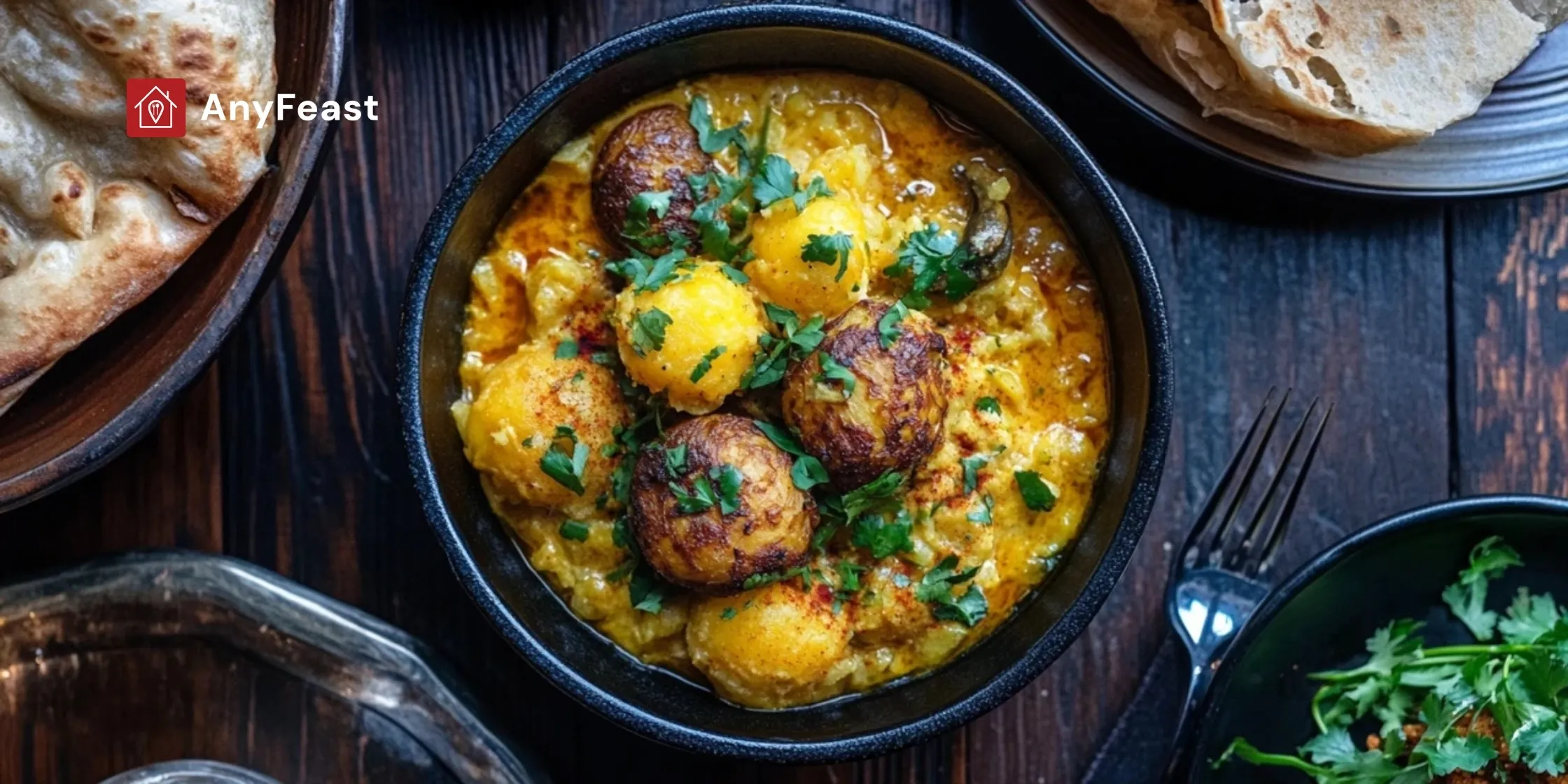
Explore how Bengal’s beloved Aloo Dum made its way from Kolkata’s vibrant street corners to your Navratri table—now made easy with AnyFeast’s Aloo Dum Recipe Kit.
A Comfort Classic Born from Royal Roots
Aloo Dum is more than just a dish—it's an emotion in many Indian homes. While various states offer their own versions, the Bengali take stands out for its perfect balance of heat, tang, and spice. The dish’s roots go back to Mughal kitchens, where lavish gravies were crafted with intricate spice blends. Over time, the recipe traveled east, adapting to local tastes, and eventually became a beloved staple in Bengali cuisine.
In Bengal, Aloo Dum gained widespread popularity as both a festival dish and street food essential. It’s especially adored when paired with Luchi—soft, deep-fried flatbreads that soak up the spicy goodness. The humble potato, introduced by Portuguese traders in the 16th century, turned into a hero ingredient thanks to its affordability and ability to carry flavors beautifully.
Why Aloo Dum Is a Navratri Favorite
Navratri is a festival of devotion and discipline, but that doesn't mean meals should be dull. In fact, this is a time when the most flavorful vegetarian dishes take center stage. Aloo Dum fits seamlessly into a sattvic (pure) diet—being naturally vegetarian, gluten-free, and made without onion or garlic when needed. It provides warmth, energy, and comfort during fasting while still feeling like a treat.
It’s also a versatile dish—you can adjust spice levels or sweetness based on preference. Some prefer to include raisins and cashews for a slightly royal touch, while others keep it simple with tomatoes, ginger, and aromatic spices. Either way, it’s a dish that adapts beautifully to both casual dinners and festive feasts.
How AnyFeast Makes Aloo Dum Effortless
If you love Bengali food but find traditional recipes intimidating, AnyFeast has your back. Our Aloo Dum Recipe Kit brings everything you need in one easy-to-use package—pre-measured spices, curated ingredients, and a step-by-step guide crafted by regional culinary experts.
In under 30 minutes, you can go from kitchen prep to a steamy plate of authentic Aloo Dum, complete with rich aroma, vibrant color, and mouthwatering flavor. Whether you’re a novice or a seasoned home cook, our kit ensures consistency, convenience, and culinary confidence.
Fun Fact: Aloo Dum’s Role in Street Food Culture
In Kolkata, Aloo Dum isn’t just a festival dish—it’s a daily craving. Found on every bustling street corner, this hearty preparation is usually served with Luchi or Kachori and devoured by college students, officegoers, and tourists alike. Each vendor has a signature twist, whether it’s an extra clove of garlic or a dollop of ghee to finish. This adaptability and mass appeal have made Aloo Dum a cultural icon far beyond West Bengal.
Add a Bengali Twist to Your Navratri
If you’re looking to break away from your usual Navratri menu of sabudana khichdi and plain boiled vegetables, Bengali Aloo Dum is the change you need. It’s full of flavor, easy to digest, and steeped in tradition—making it a perfect way to elevate your celebrations. You can serve it as a main with Luchi or pair it with a bowl of curd for a soothing side. Either way, it brings warmth and richness to your festive table.
Try It Yourself—The AnyFeast Way
Ready to explore Bengal through your taste buds? Our Aloo Dum Recipe Kit is available now on the AnyFeast . It’s more than just a kit—it’s a shortcut to culture, flavor, and convenience. With trusted ingredients, authentic spices, and foolproof steps, you’ll bring home-cooked tradition to your kitchen—minus the guesswork.
So why wait? Make this Navratri extra special with a comforting, flavorful bowl of Aloo Dum. From Kolkata’s street stalls to your stovetop, it's time to celebrate with a dish that speaks to the soul—and satisfies the stomach.
Follow us on Instagram to see how others are cooking their Aloo Dum this festive season!