2500 Calorie Indian Diet Plan for Muscle, Energy and Weight Gain
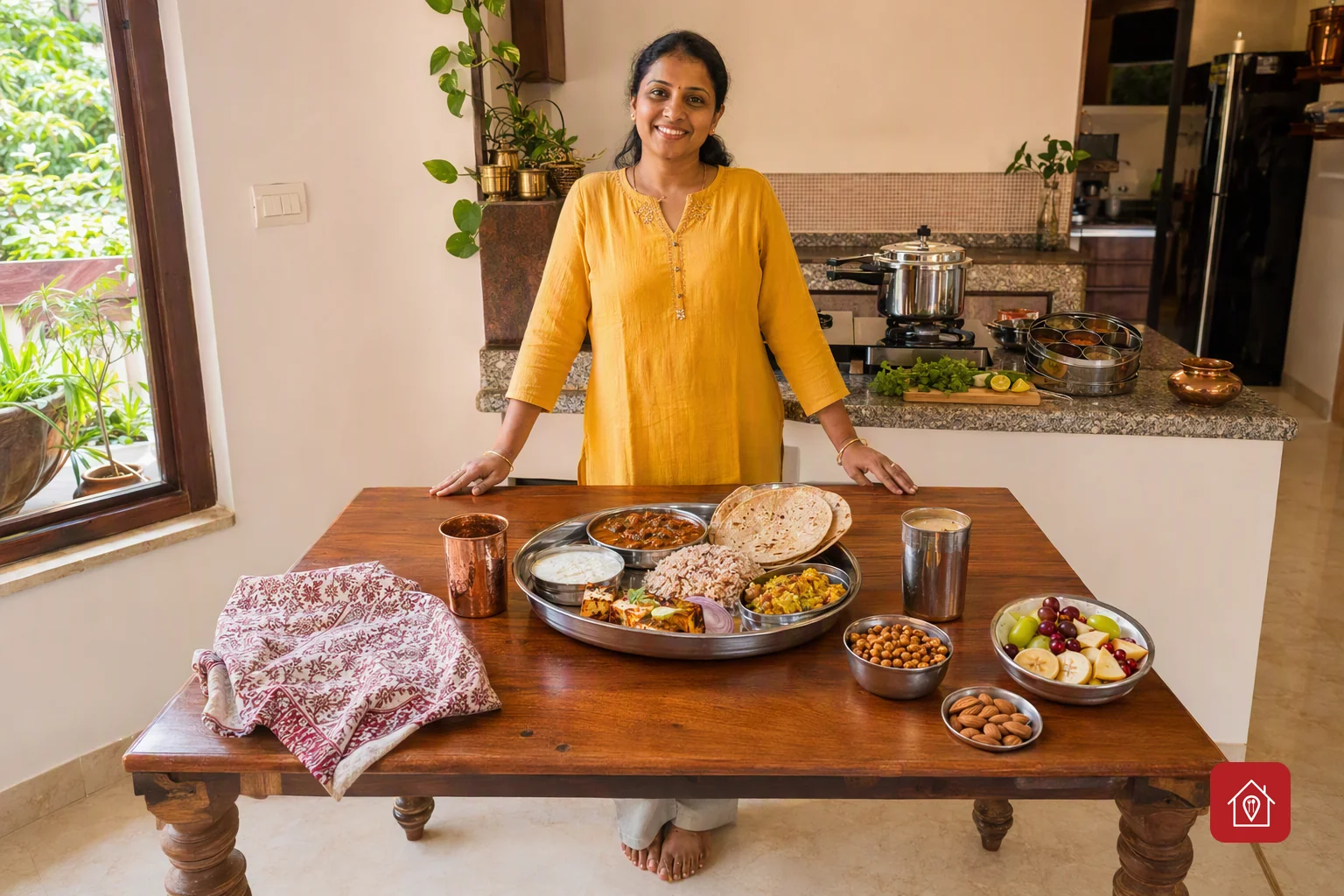
A Delicious 2500 Calorie Indian Diet Plan for Your Goals
If you often feel hungry between meals, struggle to fuel demanding workouts, or find it difficult to gain weight despite eating regularly, a structured 2,500-calorie Indian meal plan can make your day far easier. Instead of relying on oversized portions or random snacks, you can spread nourishing, flavourful foods across the day—from poha and curd to dal, rice, paneer and rotis.
A 2,500-calorie day may suit some active adults, people supporting muscle gain through resistance training, or those aiming for gradual weight gain. However, energy requirements vary with age, body size, activity level, metabolism and personal goals. Treat this plan as a practical starting point rather than a universal target, and adjust portions according to your needs.
The sample day ahead follows a familiar Indian eating pattern: a satisfying breakfast, a mid-morning snack, a balanced lunch, an evening snack, dinner and an optional bedtime addition. Each meal combines carbohydrate-rich staples with protein sources, vegetables and healthy fats to support steady energy and make the menu enjoyable.
With AnyFeast , turning this structure into everyday meals feels refreshingly simple. AI recipe suggestions help you discover dishes that match your preferences, Smart Shopping organises what you need, Leftover Magic transforms spare ingredients into tasty ideas, and doorstep ingredient delivery saves valuable time.
If you have diabetes, kidney concerns, digestive conditions, food allergies or other health needs, consult a qualified doctor or registered dietitian before making significant dietary changes.
What Is a 2500 Calorie Indian Diet Plan?
A roughly 2,500 kcal daily intake means eating enough food across meals and snacks to provide about 2,500 kilocalories each day. In an Indian eating pattern, those calories might come from roti, rice, dal, vegetables, fruit, dairy, eggs, fish, chicken, soy, nuts and healthy fats. The aim is not simply to eat more, but to combine carbohydrates for energy, protein for muscle repair, fats for calorie density, and varied produce for fibre and micronutrients.
This intake may benefit:
- People working towards muscle gain , particularly alongside progressive strength training.
- Athletes and highly active adults who need sustained fuel for exercise and recovery.
- People aiming to gain weight gradually through nourishing, calorie-rich meals.
- Busy professionals or students who find a consistent meal structure helpful.
However, 2,500 kcal is not automatically right for everyone. Energy needs vary with age, sex, height, body weight, activity level, metabolism and goals. Follow the plan consistently for 2–3 weeks , then review your daytime energy, workout performance, recovery, hunger and body-weight trend. If you remain unusually hungry, fatigued or are losing weight unintentionally, you may need more food. If weight rises faster than intended or you feel persistently overfull, portions may need adjusting.
Remember that calorie estimates vary according to the recipe, cooking oil, ingredients and serving size. AnyFeast can simplify planning with AI recipe suggestions, Smart Shopping and convenient doorstep ingredient delivery, while Leftover Magic helps turn extra food into satisfying follow-up meals.
Anyone with diabetes, kidney disease, digestive conditions, pregnancy or other clinical dietary needs should seek personalised guidance from a qualified doctor or registered dietitian before making significant changes.
How to Structure Your 2500 Calorie Indian Diet Plan
Start With a Balanced Macronutrient Split
A practical 2,500-calorie meal pattern should provide enough protein for muscle repair, carbohydrates for training and daily energy, and fats for hormones and calorie density. Your ideal split will vary with body weight, activity and goals.
Spread protein across the day rather than relying on one very large serving at dinner. Aim to include dal, rajma, chana, tofu, paneer or curd in vegetarian meals. Eggs, chicken and fish are easy non-vegetarian swaps. For example, replace paneer bhurji with egg bhurji, tofu curry with chicken curry, or rajma with fish and dal while keeping the rice or roti portion similar.
Sample Daily Meal Structure
These figures are estimates. Recipes, brands, serving sizes and cooking methods all affect the final total. Oil and ghee are especially easy to underestimate: one extra tablespoon can materially increase a meal’s calories. Measure cooking fats consistently when tracking intake.
Adjust Portions Without Rebuilding Every Meal
If you are falling short, add one roti, half a cup of cooked rice, a banana, extra curd or a small handful of nuts. If progress is faster than intended, slightly reduce rice, rotis, nuts or added fats while preserving the protein and vegetable portions. Review your weight, energy and gym performance over two to three weeks before making another adjustment.
Include at least two fruits and three generous servings of vegetables daily. Dal, beans, chana, whole grains, fruit and vegetables provide fibre, but increase them gradually if your current intake is low. Drink water regularly—typically 2–3 litres daily, with more around exercise or during hot weather.
For simple batch prep, cook rice, dal or rajma and one sabzi twice weekly; wash salad vegetables; portion curd; boil eggs; and marinate tofu, paneer, chicken or fish. AnyFeast can suggest suitable recipes, turn spare ingredients into meals with Leftover Magic, organise your Smart Shopping list and arrange doorstep ingredient delivery, making this structure much easier to follow consistently.
Customising Your Plan with AnyFeast
With AnyFeast , adapting your daily menu to your appetite, routine and food preferences feels refreshingly simple. Calorie needs vary with body size, training intensity, age and goals, so treat 2500 calories as a flexible starting point rather than a fixed rule.
- Adjust portions for muscle gain: Build each main meal around a protein source, such as paneer, tofu, dal, curd, eggs, chicken or fish. On strength-training days, add an extra roti, ½–1 cup cooked rice or a banana-and-curd snack to support higher energy needs.
- Plan for healthy weight gain: Increase portions gradually instead of forcing large meals. Add calorie-dense Indian staples such as peanuts, sesame, ghee, full-fat curd or nut chutney in sensible amounts. AnyFeast’s AI Recipe Suggestions can recommend satisfying options like paneer bhurji wraps, chicken pulao or dal khichdi with raita.
- Match your activity level: If you have a desk-based day, reduce rice or roti slightly while keeping vegetables and protein generous. For active days, include more carbohydrates around workouts, such as poha, idli, sweet potato or fruit.
- Choose your preferred proteins: Vegetarian menus can rotate rajma, chana, soy chunks, paneer and mixed dals. Non-vegetarian plans can include eggs, lean chicken and locally available fish alongside plenty of vegetables.
- Make meal prep easier: Batch-cook dal, rice, roasted vegetables and curry bases for two or three days. Smart Shopping organises your ingredient list, while doorstep delivery brings fresh groceries home. Leftover Magic turns extra sabzi, chicken or paneer into parathas, rolls and nourishing bowls.
For individual nutrition needs or health concerns, consult a registered dietitian or qualified healthcare professional.
Conclusion
A 2500 calorie Indian diet plan is your gateway to achieving energy and nutrition goals while enjoying the foods you love. With AnyFeast , meal planning becomes effortless, cooking feels enjoyable, and every meal is a step toward your success. Start your personalised plan today and make every calorie count deliciously.
Related Reading
- Keto Diet for Weight Loss: An Honest Indian Review, Benefits, Risks and Food Plan
- Indian Meal Plan for Weight Loss: 7-Day Meals Delivered & Goal Plans
- Insulin Resistance Diet Plan for Weight Loss: 7-Day Indian Menu